
Credit Card Rewards in Singapore: How I Pick Between DBS, OCBC and UOB Cards for Everyday Spending
Advertisement
A practical look at how I match DBS, OCBC and UOB credit cards to my everyday spending in Singapore, and the habits that stop rewards from costing me money.

For a long time I treated credit card rewards in Singapore like a loyalty game I was losing. I had a card from one bank, another from a different bank because of a sign-up gift, and no real idea which one to tap at the hawker centre versus the supermarket. The rewards were small, the annual fees kept coming back, and I could not tell if I was actually ahead. So I sat down one weekend and built a simple system for choosing which card gets which kind of spending. This is how I think about it now, using the big three local banks that most people in Singapore end up comparing: DBS, OCBC and UOB.

Start With Your Spending, Not the Card
The biggest mistake I made was shopping for a card before understanding my own habits. Banks market their cards around categories such as dining, online shopping, transport or groceries, and each one looks tempting on its own. But a card that rewards online spending is useless if most of your money goes to rent, utilities and public transport.
I pulled three months of statements and sorted everything into rough buckets: food and dining, groceries, transport, online purchases, bills, and everything else. That exercise was uncomfortable, but it told me far more than any comparison table. Once I could see that a large share of my spending sat in two or three categories, the card choice became much less confusing.
How the Three Banks Tend to Position Their Cards
Each of the three banks has built a reputation around a certain style of card. I am describing general positioning here, because the exact earn rates, caps and conditions change often and differ by card variant. Always check the bank's current product page before you apply.
DBS: Strong on Everyday Cashback and Lifestyle
DBS cards are often the first stop for people who want straightforward everyday value. Many of its cards lean toward cashback or points on categories like dining, online spending and daily commuting, usually with a monthly cap on the bonus portion. You can browse the current lineup on the DBS Singapore website. What I like about this style is that the reward is easy to understand: you spend, you see a rebate, and you do not have to calculate miles values in your head.
OCBC: Cards Built Around Bank Relationships
OCBC has long tied some of its more rewarding cards to how you use the rest of your banking with them, such as salary credit or savings balances. That can be genuinely useful if you already bank there, because the card and the account work as a package. If you do not, the benefits may look thinner than advertised. I always read the conditions closely to see whether the headline rate depends on something I would have to change in my banking just to qualify. The OCBC site lays out the current conditions for each card.
UOB: Spending Categories With Clear Minimums
UOB cards often reward you more when you hit a minimum monthly spend, and some focus on specific categories like groceries, dining or fuel. That structure can work well if your spending is predictable. It can backfire if you chase the minimum by buying things you did not need. I treat any minimum spend as a ceiling on my discipline, not a target to hit. You can compare the range on the UOB Singapore website.
Cashback or Miles: Pick One Honest Goal
In Singapore the cashback versus miles debate never really ends, because miles culture is strong here. My rule is simple: if I will not actually book a flight with the miles, I take cashback. Miles are only worth something when you redeem them, and redemption takes effort, flexibility on dates and some research. Cashback is boring but it always works.
If you do travel often and enjoy the process, a miles card can make sense for your larger spending. If you want a deeper walkthrough of the tradeoff, I wrote about it separately in the guide on how to choose between cashback and miles cards. For everyday spending I now lean toward cashback on groceries and dining and keep any miles earning for the occasional big purchase.
Watch the Fees Before the Rewards
Rewards only matter if the card does not cost you more than it earns. Three things deserve a hard look before you apply.
First, the annual fee and whether it can be waived. Banks in Singapore commonly offer waivers on the first year or when you reach a certain spend, but the terms vary and can change. Second, the minimum income requirement, which is often listed on the bank's product page and affects whether you will be approved at all. Third, the interest charged if you carry a balance. Interest on unpaid balances is typically far higher than any reward you will earn, so a rewards card only makes sense if you pay the full statement amount every month. If this part is fuzzy, my piece on comparing credit cards before applying covers the same mindset of reading fees first, even though it looks at a different market.
Regulation and Where to Check the Rules
Credit cards in Singapore sit within a framework overseen by the Monetary Authority of Singapore. The regulator publishes consumer guidance on borrowing responsibly and on how unsecured credit is treated, which is worth skimming before you take on a new card. You can find consumer resources on the MAS website. I find it reassuring to read the regulator's plain-language material rather than relying only on a bank's marketing.
My Simple Two-Card System
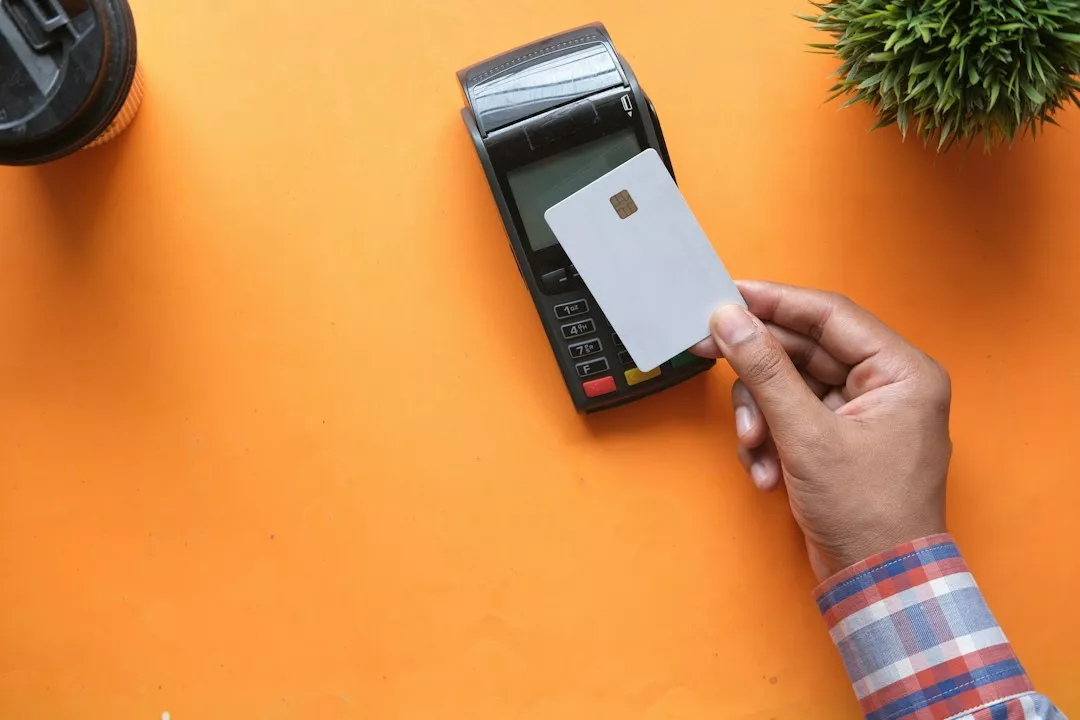
After all that, I ended up with a deliberately small setup instead of a wallet full of cards. I keep one card for everyday categories where I spend the most, and a second for either a specific category or larger purchases. Anything more than that and I start losing track of due dates and caps.
Here is how I decide whether a card earns its place. I estimate the rewards I would realistically earn based on my own statements, not the maximum the bank advertises. I subtract the annual fee if it is not waived. If the number left over is small, I do not bother. A card has to clearly beat the effort of managing it.
Habits That Protect You
Set up automatic payment for at least the full statement amount so you never trigger interest or late fees. Check the monthly bonus cap so you stop using a card for a category once you have hit the limit and switch to your second card. Review your card once a year, because bank offers and conditions shift, and a card that was great last year may be average now. If you are building your overall financial plan, pairing this with a proper sinking fund means big bills never force you to carry a balance.
When a Card Is Not Worth It
There is no shame in skipping rewards cards altogether. If you tend to overspend when you have credit available, a debit card or a simple bank account with good controls may serve you better. The best card is the one that fits your behavior, not the one with the loudest sign-up offer. For anyone newer to this world, the foundations in my guide to how CPF accounts work are a good reminder that long-term stability matters more than squeezing a few extra dollars of rebate.
The Takeaway
DBS, OCBC and UOB each make solid cards, and none of them is automatically the best for everyone. What worked for me was reading my own spending first, choosing cashback unless I truly redeem miles, checking fees and conditions on each bank's official page, and keeping my setup small enough to manage. Treat rewards as a small bonus on money you were already going to spend, never as a reason to spend more.

Maria Santos
Financial analyst covering Southeast Asian banking markets.








