
GCash in the Philippines: How the Super App Became the Wallet in Every Filipino's Phone
Advertisement
A practical guide to GCash in the Philippines — how it works, what you can do with it, and how to get the most from your digital wallet.
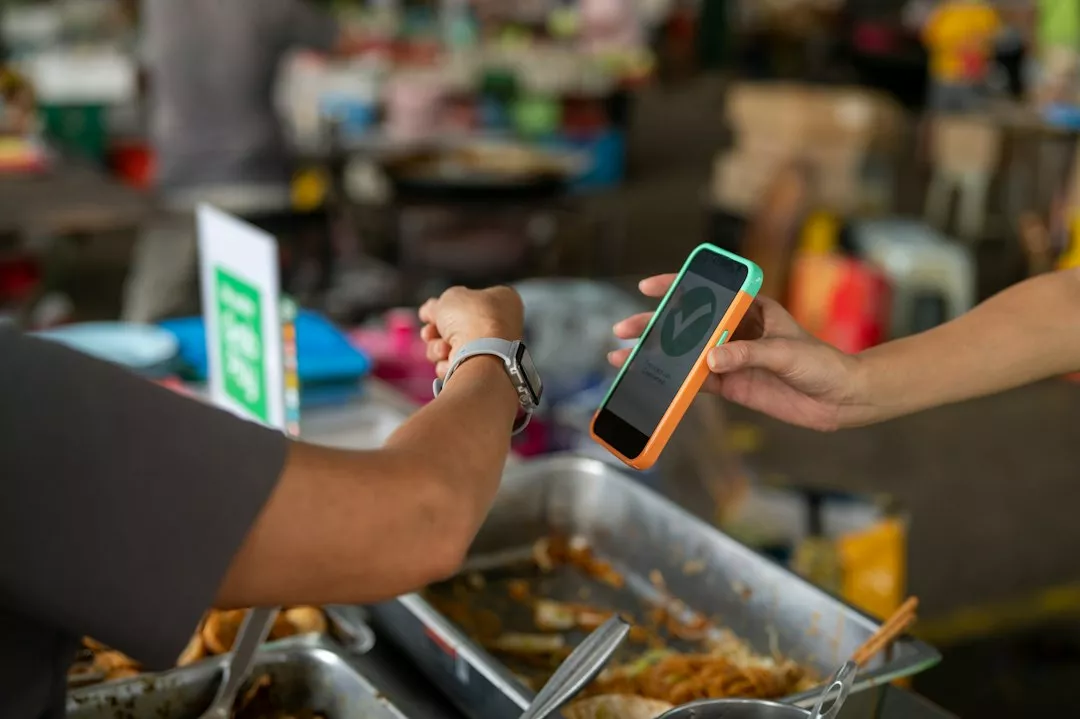
A few years ago, carrying cash in the Philippines felt non-negotiable. Jeepney fares, sari-sari store purchases, sending money to family in the province — everything ran on physical bills. Then GCash quietly became something most Filipinos couldn't imagine living without. I've watched this shift happen in real time, and what strikes me most is how completely it has reshaped the way ordinary people handle money day to day.
GCash, operated by G-Xchange Inc. and backed by Globe Telecom, is now one of the largest digital financial platforms in the country. The Bangko Sentral ng Pilipinas (BSP) has been actively pushing financial inclusion as a policy goal, and GCash has been one of the most visible results of that push — bringing banking-like services to millions of Filipinos who had never held a formal bank account.
What GCash Actually Is — and What It Isn't
GCash is an e-wallet, which means it holds stored value that you load from a bank account, over-the-counter cash-in points, or other supported channels. It is not a bank in the traditional sense, though it offers features that blur that line considerably. Your GCash wallet is tied to your mobile number and secured through the app on your smartphone.
The core things you can do with GCash are straightforward: send money to other GCash users, pay bills, buy prepaid load, shop online and in physical stores, and cash out when you need physical peso. But over time, the platform has expanded well beyond those basics into savings, investments, insurance, and even a buy now pay later product called GCredit and GLoan.
It's worth understanding what GCash is not, though. It is not a substitute for a full savings account at a BSP-licensed bank if you're storing large amounts of money. E-wallet balances have regulatory limits, and while GCash does offer a savings feature called GSave (in partnership with CIMB Bank Philippines), that's a separate product sitting inside the app rather than the wallet itself.
How to Get Started and Verify Your Account
Downloading the app and creating a basic account takes minutes. But the more important step is getting fully verified — what GCash calls a fully verified account. Without it, your wallet has lower cash-in and transfer limits, which becomes a real inconvenience fast.
Full verification requires a valid government-issued ID: a passport, PhilSys national ID, driver's license, SSS ID, or similar document. You complete a selfie verification step inside the app. Once verified, your limits increase significantly, letting you cash in, transfer, and cash out much larger amounts per day and per month. If you're planning to use GCash for anything beyond occasional small payments, full verification is essentially mandatory.
Where to Cash In
One of GCash's strengths is how widely available cash-in options are. You can top up through partner banks via online transfers, through 7-Eleven and Puregold stores, through Bayad Centers, through rural banks, and at many other retail partners. Globe stores also accept cash-in. The network of options means that even if you're outside Metro Manila, finding somewhere to load your wallet is rarely a problem.
Some cash-in methods are free; others carry a small convenience fee depending on the channel. It pays to check which option your usual partner charges before you make it a habit.
Paying Bills and Shopping — Where GCash Saves You Real Time
Paying utility bills, credit card statements, government contributions like SSS and Pag-IBIG, and dozens of other billers through GCash is genuinely one of the most useful things the platform does. The alternative — queuing at a payment center — can eat an hour of your day. Through the GCash app, the same payment takes under two minutes.
For shopping, GCash works through QR code payments in physical stores and through GCash as a payment option on e-commerce platforms. The QR system is part of the BSP's QR Ph standard, which means you can also send money from GCash to accounts on other e-wallets and bank apps that support QR Ph — a real step forward for interoperability across the Philippine payments ecosystem. For the current list of supported features and partner banks, check the official GCash website.
If you use credit cards for everyday spending rewards, it's worth thinking about how GCash fits alongside that habit. Maximizing cashback from every purchase often means routing bills through a credit card rather than a wallet — but GCash fills the gap for merchants and billers that don't accept cards at all.
GSave: A Savings Account Inside Your Wallet
GSave is one of the features that genuinely surprised me when it launched. It's a savings account offered by CIMB Bank Philippines, accessible directly through the GCash app, with no maintaining balance required. The interest rate it offers has varied over time and depends on CIMB's current pricing — always check the app for the current rate rather than relying on any figure you've seen elsewhere.
The practical appeal is that you can move money between your GCash wallet and your GSave account instantly, which makes it easy to park money you don't need right away in a vehicle that earns at least something. For Filipinos who found traditional bank accounts inaccessible because of maintaining balance requirements, GSave removed a real barrier.
GInvest: Getting Into the Market Through the App
GCash also offers GInvest, which lets users put money into funds — money market funds and other fund types through partner fund managers. The minimum amounts to start are low, which is the whole point. The idea is to make investing feel accessible to someone who has never opened a brokerage account or walked into a bank's investment desk.
That said, any investment product carries risk, and fund performance is never guaranteed. GInvest is a useful entry point, but it's worth understanding the basics of how funds work before you commit money you can't afford to lose. The BSP and the Securities and Exchange Commission (SEC) both have resources that explain how these products are regulated in the Philippines.
GCredit and GLoan: Borrowing Through Your Wallet
GCredit is a revolving credit line that works like a small credit card — you spend using it, then repay. GLoan is a personal loan product. Both are available to eligible GCash users based on their usage history and a credit assessment GCash runs internally.
Not every GCash user qualifies, and the credit limits and loan amounts vary based on your profile. Interest rates and fees apply, and these change — always read the current terms inside the app before accepting any credit offer. If you're newer to how credit products work and want to understand the broader picture of how creditworthiness is assessed in the Philippine context, how credit scores work is worth reading before you start using any loan or credit line product.
Security: What to Watch Out For
GCash has faced phishing and scam incidents, as have most popular digital financial platforms in the region. The most common attack is a text message or social media message pretending to be GCash support, asking you to click a link and enter your MPIN or one-time password (OTP). GCash will never ask for your MPIN or OTP through a text, call, or social media message — full stop. For official security advice and how to report a suspicious message, see the official GCash website.
Enabling face ID or fingerprint login adds another layer of protection. Linking your account to a trusted mobile number and email means you can recover access if something goes wrong. Treat your MPIN with the same seriousness you'd give a bank PIN.
How GCash Fits Into a Broader Financial Life
The best way I've found to think about GCash is as the everyday spending and payments layer of your financial life. It handles the friction of daily transactions — bills, transfers, small purchases — while your savings, investments, and credit products can live across a combination of GCash's own features and separate bank accounts.
Many Filipinos now run GCash alongside a traditional bank account, using the wallet for day-to-day payments and the bank for salary crediting, larger savings, and loan products. That combination covers most of what a household needs. For those who travel and spend abroad occasionally, understanding how to handle foreign exchange is a separate but related skill — GCash handles domestic peso transactions well, but international spending typically calls for a different tool.
The platform has also expanded to let users receive remittances from overseas, which matters enormously in a country where OFW remittances are a significant part of household income for millions of families. Senders abroad can transfer through various partner channels, and recipients get the funds directly in their GCash wallet — faster and often cheaper than some traditional remittance routes.
Is GCash Right for You?
If you're in the Philippines and you don't already have GCash, the honest answer is that you're probably making certain everyday tasks harder than they need to be. The app is free to download, verification is straightforward, and the core features cost nothing to use in most cases. Even if you have a full relationship with a traditional bank, GCash handles things your bank account does less elegantly — splitting bills with friends, paying a tricycle driver who has a QR code, sending money to a relative at midnight.
The digital wallet space in the Philippines has become genuinely competitive, with Maya (formerly PayMaya) offering comparable features and its own loyal user base. But GCash's network size — the number of merchants, billers, and users already on the platform — gives it a practical advantage that's hard to ignore. For most Filipinos, it has simply become the default, and that network effect tends to be self-reinforcing.
The BSP's digital payments roadmap has set targets for moving a significant share of retail payments to digital channels, and GCash is one of the primary vehicles making that happen. Whether you're a longtime user or just getting started, understanding what the platform can and can't do helps you get real value from it rather than just scratching the surface.

Maria Santos
Financial analyst covering Southeast Asian banking markets.








