
Emergency Fund in Australia: Where to Park Your Safety Net So It Actually Earns Something
Advertisement
Building an emergency fund in Australia? Learn how much to save, where to keep it, and how offset accounts and high-interest savers can make your cash work harder.
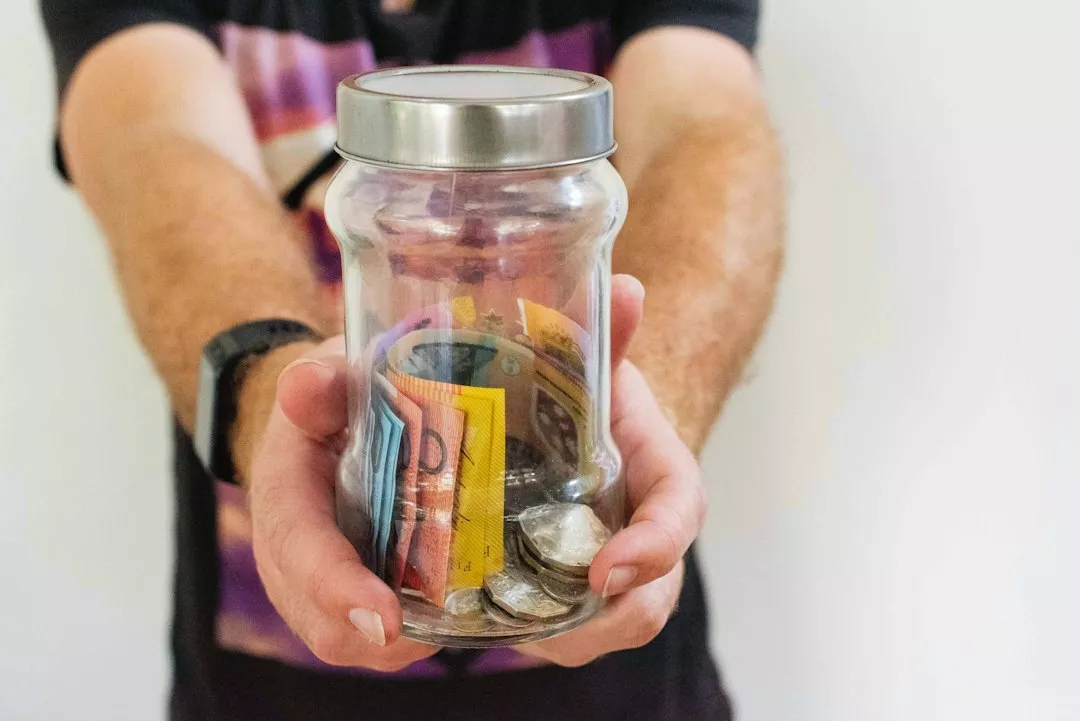
The first time I had to pay a surprise vet bill and a car registration renewal in the same fortnight, I realised that my so-called emergency fund was really just whatever happened to be left in my everyday account. It disappeared in a blur of tap-and-go payments, and I had no idea how much of it was actually earmarked for a rainy day. If you live in Australia, where rent, insurance and fuel costs can jump without warning, a properly set up emergency fund is one of the most useful things you can build. Here is how I think about it, and how I would set one up from scratch.

What an Emergency Fund Is Actually For
An emergency fund is not a holiday fund, a new phone fund or a deposit fund. It exists for the genuinely unplanned: losing your job, a sudden medical cost not covered by Medicare, a hot water system dying in the middle of winter, or an urgent flight home. The moment you start dipping into it for things you could have predicted, it stops doing its job.
If you want a separate place for the predictable-but-irregular costs, like annual insurance premiums or car servicing, that is a different tool. I wrote about that approach in building a sinking fund, and the logic applies just as well in Australia. Keep the two pots separate and you will always know which money is for what.
How Much Should You Aim For?
The common rule of thumb is three to six months of essential living costs. Essential is the key word. That means rent or mortgage repayments, groceries, utilities, transport, insurance, minimum debt repayments and phone and internet. It does not include dining out, streaming subscriptions or discretionary shopping.
Adjusting the target to your situation
A single renter with a stable government job might be comfortable closer to three months. A freelancer, a casual worker, or a household with one income and dependents should lean towards six months or more, because income gaps are harder to bridge. If you have a mortgage, remember that repayments are likely your biggest fixed cost, so your target will naturally be higher.
Do not let the full target intimidate you. I started with a single month of expenses as a first milestone, then rebuilt from there. Even a modest buffer changes how you handle small shocks, because you stop reaching for a credit card at high interest.

Where to Keep It: The Main Options in Australia
This is where most people either overthink it or ignore it completely. The goal is simple: the money should be safe, easy to reach within a day or two, and ideally earning something rather than sitting idle.
High-interest savings accounts
Most of the major banks, including Commonwealth Bank, ANZ, Westpac and NAB, offer savings accounts with a base rate plus a bonus rate that you unlock by meeting conditions, such as making a deposit each month and making no withdrawals. Online banks and smaller institutions often advertise higher headline rates. The catch is that bonus rates frequently require you to avoid withdrawals, which is awkward for a fund you might need in a hurry. Read the conditions carefully on each provider's own website, and check what the rate falls to when the bonus conditions are not met.
Offset accounts if you have a home loan
If you have a mortgage with an offset account, parking your emergency fund there can be remarkably effective. Every dollar in the offset reduces the balance on which your home loan interest is calculated, so you effectively save interest at your loan rate without it counting as taxable income the way savings interest does. You can still withdraw the money when you need it. The trade-off is that you will not see a visible interest payment, so you need to remind yourself that the saving is happening quietly in the background. Not every loan includes a full offset, and some charge a package or annual fee for it, so check your loan terms.
Everyday transaction accounts
Leaving everything in your day-to-day account is convenient but usually earns very little, and it makes the money far too easy to spend. If you do keep a small slice here for true immediate access, make it a defined amount rather than your entire buffer.
Keeping Your Money Protected
Deposits held with Australian authorised deposit-taking institutions are covered by the Financial Claims Scheme, which guarantees deposits up to a set limit per account holder per institution. If your emergency fund is large, it is worth understanding how that cap works and whether it makes sense to spread savings across more than one provider. You can read the official detail on the Reserve Bank of Australia website, and the scheme itself is administered by APRA.
Making It Automatic
The single biggest improvement I made was removing willpower from the process. I set up an automatic transfer on payday so that a fixed amount moved into my emergency account before I had a chance to spend it. Even a small weekly amount builds quickly, and it fits neatly alongside the habits I described in maximising cashback rewards, where small, repeatable actions compound over time.
When you get a tax refund, a bonus or a cash gift, send a portion straight to the fund. Windfalls are the fastest way to close the gap, and they do not feel like a sacrifice because you were not counting on them.
The Credit Card Question
Some people argue that a credit card with a generous limit is a substitute for an emergency fund. I disagree. A card gives you access to credit, not savings, and if you cannot clear the balance within the interest-free period, the cost climbs quickly. If you rely on a card as backup, make sure you understand how interest and fees are applied. Our guide on choosing a credit card covers what to check, and the regulator's consumer site, MoneySmart, explains debt and savings basics in plain language.
Rules I Follow to Keep It Intact
Define what counts as an emergency
Before you ever need the money, write down your own definition. Mine is anything unexpected that affects my health, safety, housing or income. A sale on a laptop does not qualify, no matter how good the discount looks.
Replenish immediately after use
If you draw the fund down, treat refilling it as a top priority before returning to other savings goals. Otherwise a single emergency quietly becomes the new normal and your protection stays thin.
Review it once or twice a year
Your expenses change when rent rises, you have a child or you take on a loan. Revisit the target each time your circumstances shift, and review the interest rate on your account so you are not stuck with a rate that has quietly dropped.
A Simple Way to Get Started This Week
Start with a short checklist. Work out your essential monthly costs, set a first milestone of one month, open or designate a separate savings account, and set an automatic transfer for payday. Then give the account a name that reminds you what it is for. Naming accounts sounds trivial, but it genuinely reduces the temptation to dip in.
An emergency fund will never feel exciting, and that is exactly the point. The payoff is the absence of panic when something goes wrong. When the next unexpected bill lands, you want to be the person who simply pays it and carries on with the week, not the one scrambling to work out which card has room left.

Wei Lin Chen
Banking consultant specializing in Singapore and Malaysia markets.








