How to Choose a Credit Card: A Practical Guide for APAC Consumers
Advertisement
Choosing the right credit card in APAC? This practical guide covers rewards, fees, interest rates, and more to help you decide with confidence.
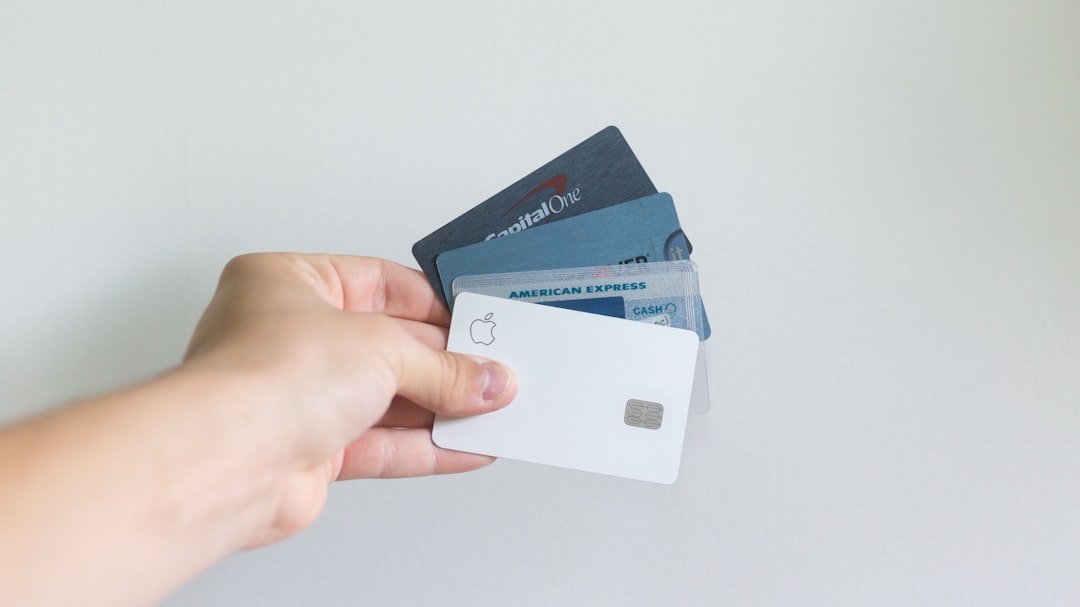
Every time I talk to someone who's frustrated with their credit card — paying fees they didn't expect, missing out on rewards they thought they'd earn, or just feeling like they picked the wrong card entirely — I ask one simple question: what were you actually looking for when you signed up? Most of the time, the honest answer is "I'm not sure."
Choosing a credit card across the Asia-Pacific region is genuinely more complex than it looks. The market in Australia looks very different from what's on offer in the Philippines, Thailand, Malaysia, or New Zealand. Interest structures, rewards mechanics, fee philosophies, and even the way credit scores are used — all of it varies. And yet the fundamentals of making a smart choice are surprisingly universal. This guide walks through those fundamentals in a way that actually helps you decide.

Start With Your Spending Habits, Not the Card's Marketing
The biggest mistake I see people make is falling in love with a card's branding or a single headline benefit — a flashy sign-up bonus, a lounge access perk, a co-branded partner they like — and only afterwards asking whether the card actually fits how they spend money day to day.
Before you look at any card's features, spend a few minutes mapping your real monthly outgoings. Where does your money actually go? Groceries, dining out, fuel, online shopping, travel, subscriptions? The answer to that question should be the lens through which you evaluate every card you consider.
In markets like Australia, Singapore, and the Philippines, issuers have gotten quite sophisticated about targeting specific spending categories with elevated rewards rates. A card that gives you strong returns on supermarket spending may offer almost nothing on dining. A travel-focused card might accelerate points on flights while treating your everyday expenses as an afterthought. Neither card is objectively better — it completely depends on your life.
Understanding the Core Card Types
Once you know where you spend, you can start matching that to the broad categories of cards available across the region.
Cashback Cards
Cashback cards return a percentage of your spending as real money — either credited to your statement, transferred to your account, or applied at checkout. They're the easiest rewards structure to understand because the value is transparent. What you see is what you get. If you hate complexity and just want something that quietly works in your favour, a well-chosen cashback card is usually the right answer.
The catch: cashback rates often come with caps per category per month, minimum spend requirements, or tiered structures that only pay the headline rate above a certain threshold. Always look past the top-line rate and read how it actually applies to your spending volume. I've written more about cashback versus miles cards if you want to dig deeper into that comparison.
Miles and Points Cards
These cards earn you points — sometimes branded as miles, sometimes as a proprietary points currency — that you redeem for flights, hotels, upgrades, or partner rewards. The potential value per point can be quite high, particularly if you're redeeming for business or first class travel. But that value is variable and requires effort to extract. Points can expire, programs can devalue their currencies, and getting the most from redemptions takes time and research.
Miles cards tend to suit frequent travellers who can use the rewards meaningfully and who don't mind some complexity in exchange for higher potential upside.
Low Interest Cards
If you sometimes carry a balance from month to month — and I say this without judgement, because life happens — then the headline rewards rate of any card matters far less than the ongoing purchase interest rate. In much of APAC, standard credit card interest rates are meaningfully higher than personal loan rates, which means carrying a balance on a high-fee rewards card can be very costly. A low-rate card with modest or no rewards might genuinely be the smarter financial tool for your situation. Be honest with yourself about this one.
Secured Cards
In markets like Indonesia, the Philippines, and parts of Southeast Asia, secured credit cards — where you deposit collateral with the issuer — remain a common entry point for people building credit for the first time. If you're at the beginning of your credit journey, a secured card used responsibly is a sensible stepping stone. You can learn more about that process in our guide to building credit history from scratch.
Breaking Down the Real Cost of a Card
The headline annual fee tells you very little on its own. What matters is the total cost picture — and whether the value you extract from the card outweighs it.
Annual Fees
Annual fees across the region vary enormously — from zero on entry-level products to substantial amounts on premium cards with concierge services and comprehensive travel insurance. An annual fee isn't automatically bad; it's only bad if you're paying for features you don't use. Before renewing any card that carries a fee, quickly tot up the actual value you received from rewards and benefits over the past year. If the benefits exceed the fee, it's likely worth keeping. If not, it might be time to reconsider — or at least call and ask for a retention offer, which works more often than you'd think.
Interest Rates and How They're Applied
The Annual Percentage Rate (APR) is the key figure to understand when it comes to interest charges. Most credit cards across APAC calculate interest daily on any outstanding balance, compounding in a way that can quickly make a small balance feel larger than expected. The specific rate varies by market, by issuer, and by card tier — always check the product disclosure or terms sheet rather than assuming.
Equally important is knowing how the interest-free period works. Most cards offer an interest-free window on purchases — typically somewhere between 20 and 55 days — but this generally only applies if you pay your full closing balance by the due date each month. Partial payments typically mean interest applies from the original transaction date, not the statement date. This is one of those details that catches people by surprise, so it's worth reading carefully. Our guide on understanding credit card interest rates covers this in much more detail.
Foreign Transaction Fees
If you shop online from international retailers — which most of us do regularly — or travel outside your home country, foreign transaction fees are worth factoring in. These fees, charged as a percentage of each transaction in a foreign currency, vary by issuer and can quietly add up. Some premium travel-focused cards waive them entirely, which can be a meaningful saving for frequent cross-border spenders.

Matching Card Benefits to Your Real Life
Once you've got the cost structure clear in your head, think about which benefits would actually change your behaviour or save you money — not just look good on a list.
Travel Insurance
Many mid-tier and premium cards across Australia, Singapore, Malaysia, and Thailand include complimentary travel insurance when you purchase your trip (or at least part of it) with the card. The coverage levels vary significantly — some policies are genuinely comprehensive, others are quite limited. Don't assume the included insurance is adequate for your needs; read the policy document and check what's actually covered.
Airport Lounge Access
If you travel frequently through international airports, lounge access can be a genuine quality-of-life benefit. The key is checking which lounges are included and how access is granted — some cards offer unlimited visits, others give a fixed number of complimentary visits per year before charging, and the network coverage varies widely by region. A lounge program that covers major hubs in North Asia might have patchy coverage in Southeast Asia, and vice versa.
Purchase Protection and Extended Warranty
These are underrated benefits that many cardholders forget they have. Purchase protection covers items bought with the card against theft or damage for a period after purchase. Extended warranty coverage can add extra months or years to the manufacturer's warranty on eligible items. For electronics or appliances, this has real dollar value — it's worth checking whether your card offers it.
Dining, Entertainment, and Lifestyle Perks
Discounts at partner restaurants, priority booking, entertainment pre-sales, or cashback at specific merchants — these benefits are only valuable if the partners are places you'd actually go. A card with great dining perks in central Singapore isn't much use if you're based in Manila or Auckland. Always check whether the lifestyle benefits are geographically relevant to your actual life.
Checking the Application Requirements
Every card has eligibility requirements — minimum income thresholds, age requirements, and residency conditions. These vary considerably by market and by card tier. Some premium cards have meaningful minimum income requirements; entry-level or basic cashback cards are typically more accessible.
Before applying, check the eligibility criteria honestly. Multiple rejected applications within a short period can have a negative effect on your credit profile in most markets — so it pays to apply only when you're reasonably confident you meet the requirements. If you're building your credit profile from scratch, start with products designed for that stage rather than applying for premium cards you're unlikely to be approved for yet.
Also be aware that some card benefits — particularly insurance covers — may require you to have a minimum spend on the card or charge a specific category of purchase to activate. These activation conditions are often buried in the terms, so it's worth reading them. You'll find more on that in our guide to reading credit card terms across APAC.

Practical Questions to Ask Before You Apply
Rather than just comparing features on a spec sheet, I find it helpful to run through a short mental checklist before committing to any card.
- Will I pay this off in full each month? If the honest answer is sometimes or rarely, prioritise the interest rate over the rewards rate.
- Do I spend enough in the bonus categories to earn meaningfully? Some category bonuses only activate above a monthly spend floor that you may not reach.
- Will I actually use the major benefits? Travel insurance is only valuable if you travel. Lounge access only matters if you fly regularly. Be realistic.
- What are the fees I'm likely to incur beyond the annual fee? Late payment fees, cash advance charges, overlimit fees — look at the full fee schedule before signing up.
- How does the card treat foreign currency transactions? Especially relevant across APAC where cross-border online shopping is extremely common.
- What is the credit limit likely to be? Issuers generally don't publish exact limits in advance — they're determined at approval based on your income and credit profile — but knowing the card's typical range can help you understand whether it'll serve your needs.
Don't Overlook the Digital Experience
Across APAC, mobile banking and digital card management have become core to how people use their cards. The quality of an issuer's app — how quickly it updates transactions, whether you can freeze and unfreeze a card instantly, how easy it is to dispute a charge or check your rewards balance — varies a lot and genuinely affects your day-to-day experience. If you're already embedded in a particular bank's digital ecosystem, there's real convenience value in choosing a card from the same institution, even if it's not marginally the best product on the market.
The Bottom Line
There is no universally best credit card — there's only the best card for your specific spending habits, lifestyle, and financial situation. The process of choosing well isn't complicated, but it does require a bit of honest self-assessment before you look at any product. Know where you spend. Know whether you'll carry a balance. Know which benefits you'll genuinely use. Then compare cards through that lens rather than chasing whichever has the flashiest launch campaign.
Take your time, read the fundamentals of how credit cards work if anything feels unclear, and choose something that suits the life you're actually living — not an aspirational version of it. That's the card that will genuinely work for you over the long run.

James Mitchell
Financial journalist covering Australian and New Zealand banking.