Avoiding Common Credit Card Fees: Essential Tips for APAC Consumers
Advertisement
Learn how to avoid expensive credit card fees across APAC markets. From annual fees to foreign transaction charges, discover practical strategies to save money.

Nothing stings quite like opening your credit card statement and discovering unexpected fees that could have been easily avoided. After years of helping friends navigate the sometimes murky waters of credit card charges across the Asia-Pacific region, I've learned that a little knowledge goes a long way in keeping more money in your pocket.
The reality is that credit card fees can add up quickly, especially if you're not aware of what triggers them. In markets like Singapore, Australia, and Thailand, these charges can vary significantly between issuers, but the good news is that most fees are completely avoidable with the right strategies.
Understanding the Fee Landscape Across APAC
Before diving into avoidance strategies, it's crucial to understand what you're up against. Credit card fees across the Asia-Pacific region generally fall into several categories, each with its own triggers and prevention methods.
The most common fees you'll encounter include annual fees, late payment charges, foreign transaction fees, cash advance fees, overlimit charges, and various administrative fees. What makes this particularly challenging in our diverse region is that fee structures can vary dramatically between countries and even between different card products from the same issuer.
I've noticed that many cardholders in markets like Malaysia, New Zealand, and the Philippines often overlook the cumulative impact of these charges. A few dollars here and there might not seem significant, but over the course of a year, these fees can easily amount to hundreds in local currency.
Annual Fees: The Most Negotiable Charge
Annual fees are often the largest single charge you'll face, and ironically, they're also one of the most avoidable. Many card issuers across the APAC region are surprisingly flexible when it comes to waiving or reducing these fees, especially for existing customers with good payment histories.
Timing Your Annual Fee Negotiations
The key to successfully avoiding annual fees is timing. I always recommend calling your card issuer about 30 days before your annual fee is due. This gives you leverage – you're not yet charged, but you're showing proactive engagement with your account.
In my experience, customer service representatives across markets like Indonesia, Hong Kong, and Vietnam often have authority to waive fees for customers who ask politely and have maintained good standing. If the first representative can't help, don't hesitate to ask to speak with their retention department.
Alternative Strategies for Annual Fee Reduction
If a complete waiver isn't possible, consider asking for a reduced fee or equivalent value in rewards points. Some issuers will offer to match the annual fee with bonus points or cashback credits. Others might provide temporary spending bonuses that effectively offset the fee cost.
Another approach is to consider upgrading your credit card to a higher-tier product where the enhanced benefits justify the annual fee, or downgrading to a no-fee version of your current card.

Late Payment Fees: Prevention Through Automation
Late payment fees are among the most frustrating charges because they're entirely preventable. Across the Asia-Pacific region, these fees typically range from modest amounts to significant penalties, depending on your outstanding balance and local regulations.
Setting Up Automatic Payments
The most effective way to avoid late payment fees is through automation. Most banks across APAC markets now offer automatic payment options that can be set up through internet banking or mobile apps. You can typically choose to pay the minimum amount, full balance, or a fixed amount each month.
I personally prefer setting up automatic payment for the full balance, then monitoring my spending throughout the month to ensure I have sufficient funds. This approach eliminates any possibility of late fees while helping maintain an excellent payment history.
Understanding Payment Processing Times
One often-overlooked aspect of avoiding late fees is understanding how payment processing works in your market. In countries like Australia and Singapore, same-day processing is common for online payments made before certain cutoff times, but in other markets, you might need to allow extra time for payments to clear.
I always recommend making payments at least 2-3 business days before the due date to account for any processing delays, public holidays, or technical issues that might delay payment posting.
Foreign Transaction Fees: The Hidden Travel Tax
Foreign transaction fees can be particularly painful for frequent travelers or online shoppers who make purchases in different currencies. These fees typically range from 1% to 3% of each transaction, which can add up quickly on international purchases.
Choosing the Right Card for International Use
The most straightforward way to avoid foreign transaction fees is to use credit cards that don't charge them. Many premium cards and some standard cards across APAC markets now offer zero foreign transaction fees as a competitive feature.
When reading credit card terms, pay special attention to the international usage section. Some cards advertise no foreign transaction fees but may still charge currency conversion fees or other international usage charges.
Strategic Currency Management
Another approach is to be strategic about which currency you use for transactions. When shopping online or at international terminals, you're sometimes given the option to pay in your home currency rather than the local currency. This is called dynamic currency conversion, and it's usually more expensive than letting your card issuer handle the conversion.
I always recommend declining dynamic currency conversion and allowing your card to process the transaction in the local currency. The exchange rates offered by your card issuer are typically more favorable than those offered by merchants or their payment processors.

Cash Advance Fees: Understanding the True Cost
Cash advance fees are among the most expensive charges you can incur on a credit card. Not only do you typically pay a fee for the advance itself, but interest usually starts accruing immediately, often at a higher rate than regular purchases.
Alternative Cash Access Methods
The best way to avoid cash advance fees is to plan ahead and use alternative methods to access cash. In most APAC markets, debit cards offer more favorable terms for cash withdrawals, even when used internationally.
For emergency cash needs, consider mobile payment apps, prepaid cards, or even asking friends or family for temporary assistance rather than using your credit card's cash advance feature.
Recognizing Hidden Cash Advances
Some transactions are treated as cash advances even when they don't involve actual cash. These can include money orders, wire transfers, cryptocurrency purchases, and sometimes even certain bill payments. Understanding what your card issuer considers a cash advance can help you avoid unexpected fees.
Overlimit and Administrative Fees
Overlimit fees occur when you exceed your credit limit, while administrative fees can be charged for various services like expedited card replacement, additional statements, or account research requests.
Credit Limit Management
Many card issuers across the APAC region now offer opt-in overlimit protection, which means transactions that would exceed your limit are simply declined rather than processed with a fee. While this might be inconvenient, it's usually preferable to paying overlimit charges.
Regular monitoring of your credit utilization helps prevent overlimit situations. I recommend keeping your utilization below 30% of your limit as a general rule, both to avoid fees and to maintain a healthy credit profile for building credit history.
Administrative Fee Prevention
Most administrative fees can be avoided by using self-service options available through internet banking or mobile apps. Need a statement copy? Download it online rather than requesting a physical copy. Lost your card? Use the app to temporarily lock it and order a replacement rather than calling for expedited service.
Leveraging Technology and Digital Tools
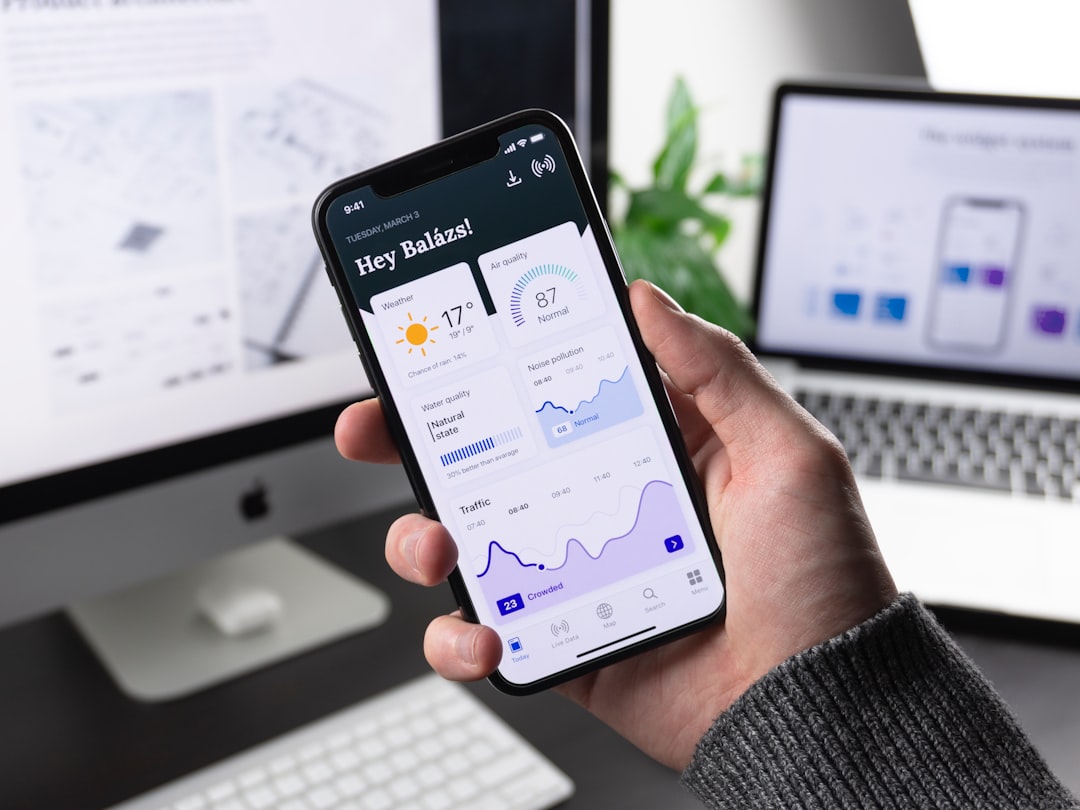
Modern banking technology offers numerous tools to help you avoid credit card fees. Most card issuers across markets like Taiwan, South Korea, and India now provide sophisticated mobile apps with real-time notifications, spending analytics, and automated fee prevention features.
Setting Up Alerts and Notifications
Configure your mobile app to send you notifications for various account activities: low balances before automatic payments, transactions approaching your credit limit, international usage, and upcoming payment due dates. These early warnings can help you take preventive action before fees are triggered.
Many apps also allow you to set spending limits by category or time period, which can help prevent overlimit situations and keep your spending in check.
Regular Account Monitoring
I make it a habit to check my credit card accounts at least weekly, not just for suspicious activity but also to stay aware of my balances, upcoming payments, and any unusual charges. This regular monitoring helps catch potential fee-triggering situations before they become expensive problems.
Reading the Fine Print: Your First Line of Defense
Understanding your card's terms and conditions is crucial for fee avoidance. Each issuer structures their fees differently, and what might be free with one card could be expensive with another.
When you receive your card agreement, pay particular attention to the fee schedule and any conditions that trigger charges. Some cards offer grace periods for certain fees, while others might waive fees for customers who maintain minimum balances or spending levels.
I also recommend reviewing your card terms annually, as issuers sometimes change their fee structures. They're required to provide notice of changes, but it's easy to miss these communications in the constant stream of financial correspondence.
Building a Fee-Avoidance Strategy
Avoiding credit card fees isn't just about individual tactics – it's about developing a comprehensive approach to credit card management. This includes choosing the right cards for your spending patterns, understanding interest rates and charges, and maintaining disciplined financial habits.
Consider creating a simple checklist for yourself: automatic payments set up, spending alerts configured, annual fee waiver request scheduled, and regular account reviews planned. This systematic approach helps ensure that fee avoidance becomes a natural part of your financial routine rather than something you have to remember each month.
Remember that the goal isn't just to avoid fees – it's to use credit cards as tools that enhance your financial life rather than drain your resources. By staying informed about common fees and implementing these prevention strategies, you can enjoy the benefits of credit cards while minimizing their costs across any APAC market where you might find yourself.
The small amount of time invested in understanding and preventing credit card fees can save you significant money over time, money that's better spent on your financial goals rather than unnecessary charges. Whether you're building credit, earning rewards, or simply seeking convenient payment options, a fee-conscious approach to credit card management will serve you well throughout your financial journey.

Amir Hakim
Financial advisor focused on Malaysian credit cards and Islamic banking.