How to Build Credit History from Scratch: A Step-by-Step Guide for APAC Markets
Advertisement
Learn practical strategies to build your credit history from zero in APAC markets. Discover starter credit cards, banking relationships, and smart habits.

Starting your credit journey can feel overwhelming, especially when you're looking at seemingly endless application requirements that ask for "existing credit history." It's the classic catch-22 situation: you need credit history to get credit, but you need credit to build credit history. I've helped countless friends navigate this challenge across different APAC markets, and I'm here to share what actually works.
The good news? Building credit history from scratch is absolutely achievable, even if it requires patience and strategic planning. Whether you're a fresh graduate in Singapore, a new resident in Australia, or starting your financial journey in the Philippines, the fundamentals remain surprisingly similar across our region.

Why Credit History Matters in APAC
Before diving into the how-to, let's understand why credit history is crucial in Asia-Pacific markets. Unlike some Western countries where credit scores are deeply integrated into daily life, APAC markets vary significantly in their credit assessment approaches. However, the trend is clearly moving toward more sophisticated credit evaluation systems.
In markets like Hong Kong and Singapore, credit bureaus maintain detailed records that influence everything from credit card approvals to mortgage rates. Meanwhile, emerging markets across Southeast Asia are rapidly developing their credit infrastructure, making it increasingly important to establish a positive track record early.
Your credit history affects your ability to secure housing loans, get approved for premium credit cards, and even influences rental applications in some markets. More importantly, a solid credit foundation opens doors to better interest rates and higher credit limits as your financial needs grow.
Understanding Your Starting Point
The reality is that most young adults or new residents start with what's called a "thin file" – meaning there's little to no credit information available about them. This isn't necessarily bad; it's simply a blank slate that you'll gradually fill with positive credit behavior.
Some APAC markets have centralized credit bureaus that track your history across multiple financial institutions, while others rely more heavily on individual bank relationships. Understanding your local credit landscape is the first step in building an effective strategy.
Assessing Your Current Situation
Start by checking if you already have any credit history. Sometimes, utility bills, mobile phone contracts, or student loans might have created a basic credit footprint without you realizing it. Many banks in markets like Malaysia and Thailand now consider these alternative data points when evaluating new credit applications.
If you're completely new to the financial system, that's perfectly fine. Every successful credit journey starts somewhere, and yours begins now.

Step 1: Establish a Strong Banking Relationship
Before pursuing any credit products, focus on building a solid banking relationship. This is often overlooked but incredibly important in APAC markets where relationship banking still plays a significant role in credit decisions.
Choose Your Primary Bank Wisely
Select a bank where you can consolidate most of your financial activities. Look for institutions that offer comprehensive services – from basic savings and checking accounts to investment products and credit facilities. Having multiple touchpoints with the same bank strengthens your relationship and improves your chances of credit approval.
Consider banks that specifically cater to young professionals or newcomers. Many institutions in markets like Indonesia and Vietnam have developed special programs for fresh graduates and first-time credit applicants, offering more flexible qualification criteria.
Maintain Healthy Account Activity
Once you've opened your accounts, maintain consistent, healthy banking behavior. Keep reasonable balances, avoid overdrafts, and use your accounts regularly for legitimate transactions. Banks track these patterns, and positive account management signals financial responsibility.
Set up direct deposits for your salary if possible. Regular income deposits demonstrate stability and make you a more attractive credit candidate. Even if your income is modest, consistency matters more than the absolute amount.
Step 2: Start with Secured Credit Products
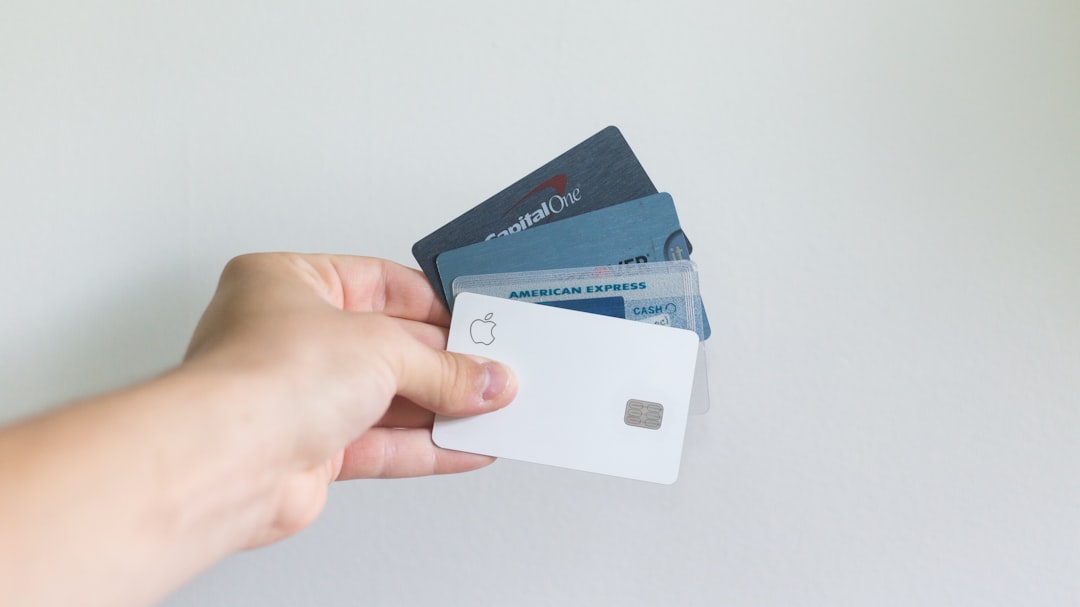
Secured credit cards are often the best entry point for building credit history from scratch. These cards require a cash deposit that typically becomes your credit limit, significantly reducing the bank's risk and making approval much more likely.
How Secured Cards Work
You'll deposit a sum (usually ranging from the equivalent of $200 to $2,000 in local currency) with the bank, and they'll issue you a credit card with a limit equal to or slightly higher than your deposit. Despite being "secured," these cards function exactly like regular credit cards and report your payment history to credit bureaus.
The beauty of secured cards lies in their accessibility. Since your deposit covers the bank's exposure, they're typically available to applicants with no credit history or even those rebuilding after financial difficulties.
Using Your Secured Card Strategically
Once approved, use your secured card responsibly. Make small purchases that you can easily afford to pay off in full each month. This demonstrates that you can manage credit responsibly without carrying debt.
Keep your utilization low – ideally below 30% of your credit limit, but even lower is better. If your secured card has a limit of $500, try to keep your monthly balance below $150. This shows credit bureaus that you're not dependent on credit for everyday expenses.
Step 3: Consider Alternative Credit Building Options
While secured credit cards are excellent starting points, several other products can help build your credit profile simultaneously or serve as alternatives if secured cards aren't available.
Student Credit Cards
If you're currently enrolled in university or recently graduated, student credit cards offer another pathway. These cards are specifically designed for individuals with limited credit history and often feature more lenient approval criteria.
Many banks across APAC markets offer student cards with modest limits but valuable perks like cashback on textbooks, dining, or transportation. The key is proving your student status and, ideally, showing some form of income through part-time work or family support.
Authorized User Strategy
If you have family members with good credit, becoming an authorized user on their accounts can help build your credit history. This strategy works particularly well in markets where family financial relationships are common and accepted by credit bureaus.
As an authorized user, the primary cardholder's payment history and account standing may be reported under your name as well. However, ensure the primary cardholder has excellent payment habits, as their mistakes could negatively impact your emerging credit profile.
Small Personal Loans
Some individuals successfully build credit through small personal loans, particularly those backed by fixed deposits or savings accounts. These "secured loans" work similarly to secured credit cards but involve borrowing a specific amount that you repay over time.
The advantage is that you're building a track record of installment payment history, which diversifies your credit profile beyond just revolving credit accounts.
Step 4: Master the Fundamentals of Credit Management
Regardless of which credit products you start with, success depends on mastering fundamental credit management principles. These habits will serve you throughout your financial journey, not just during the credit-building phase.
Payment History is King
Your payment history is the most critical factor in credit scoring across virtually all APAC markets. Make every payment on time, every time. Even a single late payment can significantly impact a thin credit file, so set up automatic payments if necessary to avoid oversights.
Pay more than the minimum whenever possible, but most importantly, never miss a payment deadline. Late payments can remain on your credit report for years and significantly impact your ability to qualify for better credit products. Understanding how interest rates work can help you avoid costly mistakes as you build your credit foundation.
Keep Credit Utilization Low
Credit utilization – the percentage of available credit you're using – heavily influences your credit score. Keep your utilization below 30% across all accounts, and aim for even lower if possible. Some credit experts recommend staying below 10% for optimal scoring.
This applies both to individual cards and your overall credit utilization across all accounts. If you have two cards with $500 limits each, try to keep your combined balance below $300 total, preferably much lower.
Monitor Your Credit Regularly
Stay informed about your credit development by monitoring your credit reports regularly. Many APAC markets now offer free annual credit reports, and some provide ongoing monitoring services through official credit bureau websites or authorized third-party platforms.
Regular monitoring helps you track your progress and catch any errors or fraudulent activity early. Credit report errors are surprisingly common, and disputing them promptly prevents long-term damage to your credit profile.

Step 5: Gradually Build and Diversify Your Credit Profile
After six to twelve months of responsible credit use, you'll likely be eligible for better credit products. This is when strategic thinking becomes crucial for long-term credit building success.
When to Apply for Your Second Card
Timing your second credit application requires balancing the benefits of additional credit lines against the potential negative impact of hard credit inquiries. Generally, waiting six months between applications allows your credit profile to strengthen and reduces the appearance of credit hunger to potential lenders.
Your second card should serve a different purpose than your first. If you started with a secured card, consider applying for a regular credit card with rewards that match your spending patterns. This demonstrates your ability to manage multiple credit accounts responsibly.
Consider Different Types of Credit
Credit scoring models generally favor diverse credit portfolios that include both revolving credit (credit cards) and installment credit (personal loans, auto loans). As your credit profile matures, consider adding different types of credit accounts to demonstrate your ability to manage various financial obligations.
However, only take on credit that serves a legitimate financial purpose. Don't borrow money simply to build credit – that's a dangerous path that can lead to financial difficulties.
Common Pitfalls to Avoid While Building Credit
Learning from others' mistakes can save you significant time and frustration during your credit-building journey. Here are the most common errors I've observed across different APAC markets.
Applying for Too Many Cards Too Quickly
Credit inquiries impact your credit score, particularly when you have a thin credit file. Multiple applications within a short period suggest financial distress or poor planning to potential lenders. Space out your applications and only apply for credit you genuinely need.
Focusing Only on Approvals
Getting approved for credit is just the beginning, not the goal. Some people become so focused on collecting approvals that they neglect the responsible use that actually builds creditworthiness. Quality credit management matters far more than the quantity of accounts.
Ignoring Terms and Conditions
Understanding your credit agreements prevents costly surprises later. Know your interest rates, fees, payment due dates, and any special terms. This knowledge helps you avoid unnecessary charges and maintain positive account standing.
Building Credit While Living Abroad
For expatriates or international students building credit in APAC markets, the process involves additional considerations. Your credit history from your home country typically doesn't transfer, meaning you'll start fresh in your new market.
Some international banks offer global credit programs that can expedite the process for qualified customers, but most people will need to start from scratch. Focus on establishing strong local banking relationships and be prepared to provide additional documentation to verify your income and stability.
Consider maintaining credit accounts in your home country if you plan to return eventually, as long as you can manage them responsibly from abroad. This prevents you from having to rebuild credit again if your international assignment is temporary.
The Long-Term Perspective
Building credit history is a marathon, not a sprint. While you might see initial improvements within three to six months, developing a truly strong credit profile takes several years of consistent, responsible financial behavior.
The credit habits you develop during this building phase will serve you throughout your financial life. Focus on creating sustainable practices rather than quick fixes or shortcuts that could backfire later.
Remember that credit building is just one component of overall financial health. Maintain emergency savings, live within your means, and view credit as a tool to achieve your financial goals rather than a solution to financial problems.
As you progress through your credit-building journey, you'll find that opportunities expand significantly. Better credit opens doors to competitive loan rates, premium credit cards with valuable rewards, and greater financial flexibility overall.
The key is patience, consistency, and smart financial choices. Start with small steps, build positive habits, and watch your credit profile strengthen over time. Your future self will thank you for the solid financial foundation you're building today.

Sarah Thornton
Personal finance expert covering New Zealand banking and KiwiSaver.