Contactless Payments in APAC: How Tap-to-Pay is Reshaping Everyday Finance
Advertisement
Contactless payments are transforming how APAC consumers spend. Here's what it means for your wallet, your cards, and your financial habits.
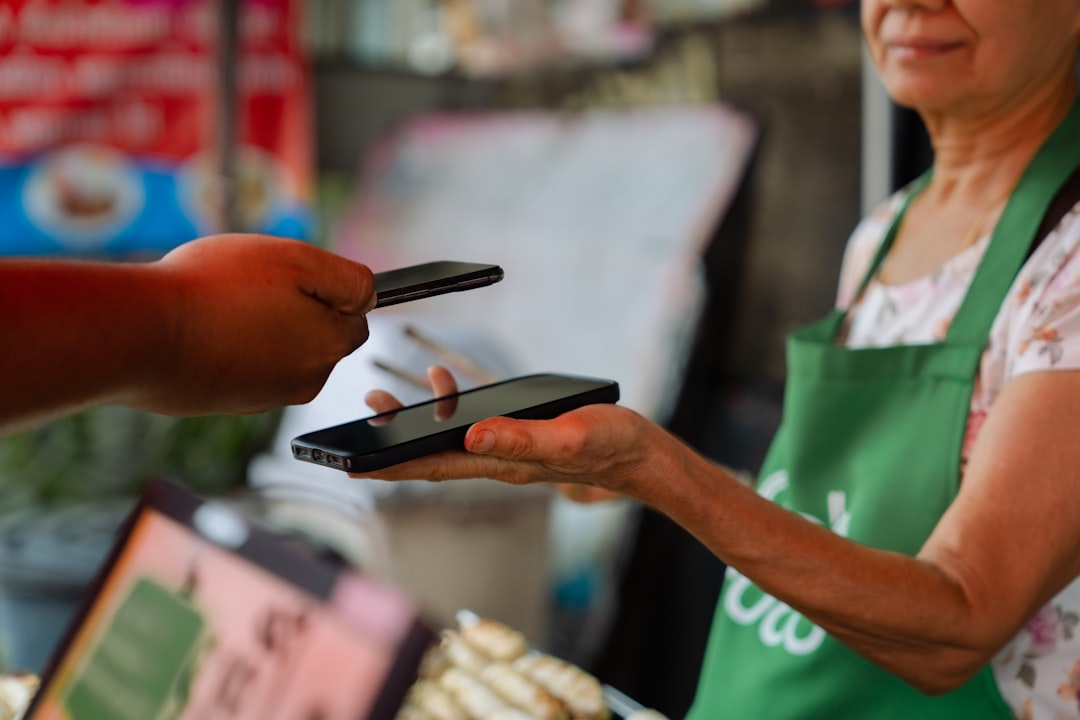
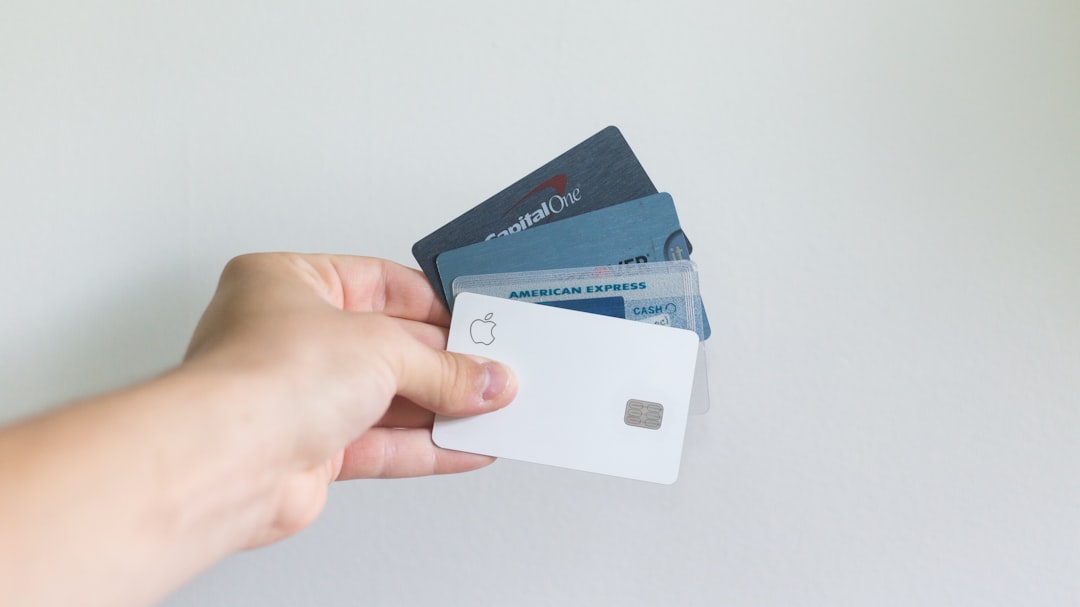
A few years ago, tapping your card at a checkout counter felt like a novelty. Today, in many parts of Asia-Pacific, it feels strange to do anything else. Whether you're buying kopi in Singapore, grabbing a taxi in Bangkok, or splitting a café bill in Sydney, contactless payment has quietly become the default — and it's changing more about your personal finances than you might realise.
I want to walk you through what's actually happening with contactless adoption across APAC, why it matters for how you manage your money, and how to make sure you're set up to benefit rather than get caught off guard.
Why Contactless Has Taken Off So Strongly Across APAC
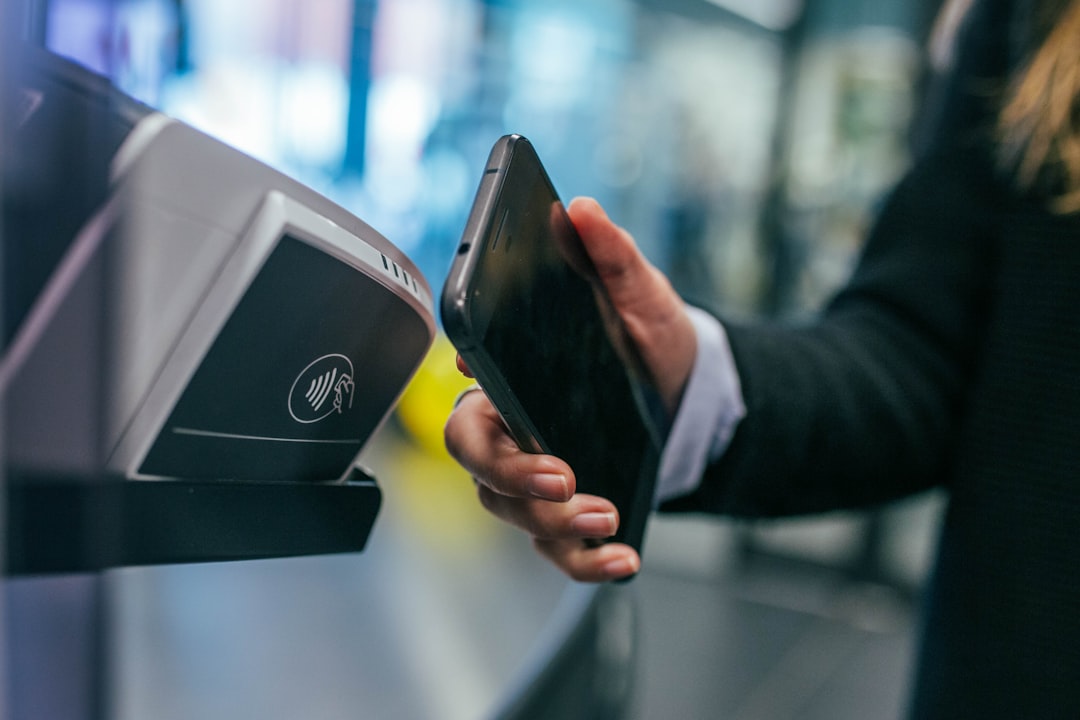
Asia-Pacific has some of the highest contactless payment adoption rates in the world, and it's not hard to see why. The region was already warming to cashless transactions well before the pandemic pushed things into overdrive. In markets like Australia, South Korea, and Taiwan, contactless card terminals had already become standard at most merchants. Then, when health concerns made physical cash handling feel uncomfortable, the remaining holdouts — street food vendors, small retailers, wet markets — started moving fast.
What makes APAC particularly interesting is how varied the contactless ecosystem actually is. In some markets, physical tap-to-pay cards dominate. In others, QR-code payments through mobile apps have leapt ahead of cards entirely. In Indonesia and Vietnam, for instance, mobile wallets linked to local payment platforms have massive reach, especially among younger consumers who may not have a traditional credit card at all. Meanwhile in Australia and New Zealand, the physical contactless card — paired with mobile wallets on smartphones — remains the backbone of everyday spending.
The point is: "contactless" isn't one single thing. It's a broad shift away from cash and chip-and-PIN, and it's happening along multiple parallel tracks depending on where you live.
How Contactless Actually Works (and Why It Matters for Your Card)
At its core, tap-to-pay uses Near Field Communication (NFC) technology, a short-range wireless standard that lets your card or phone communicate with a payment terminal when held within a few centimetres. The transaction is tokenised — meaning your actual card number is never transmitted — which gives it a strong security profile for everyday low-value purchases.
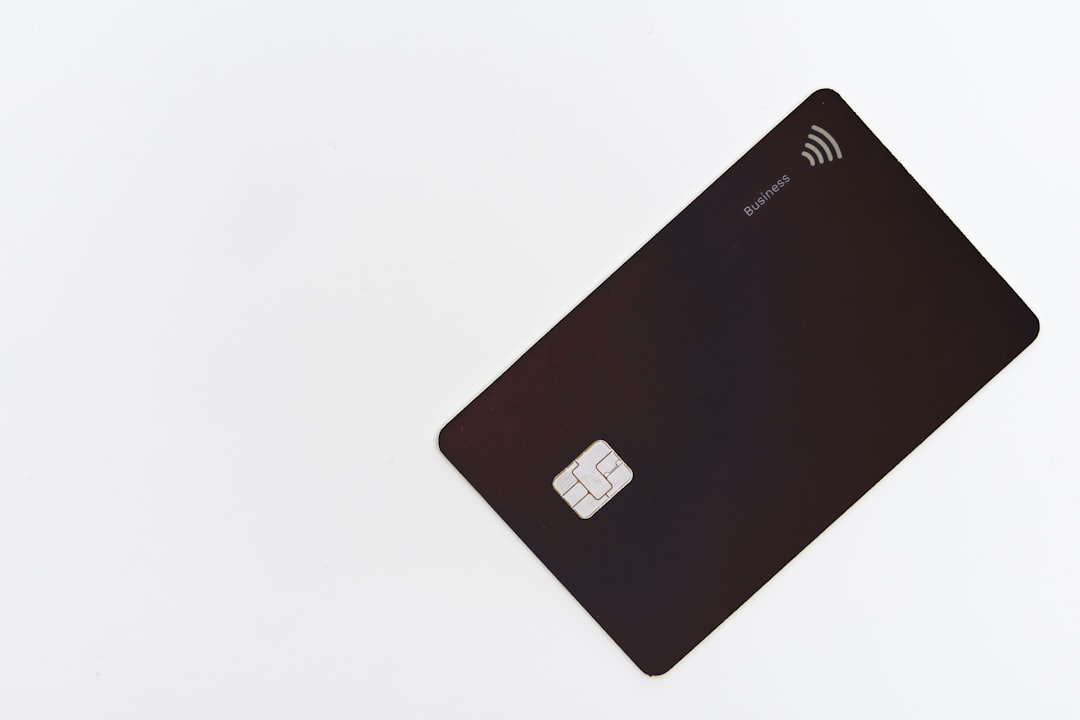
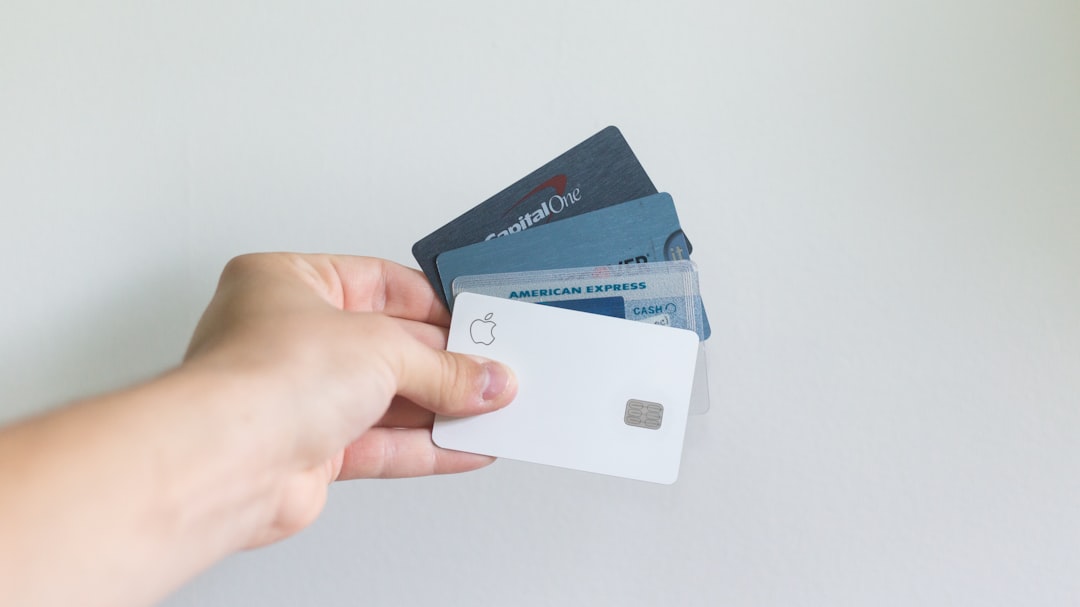
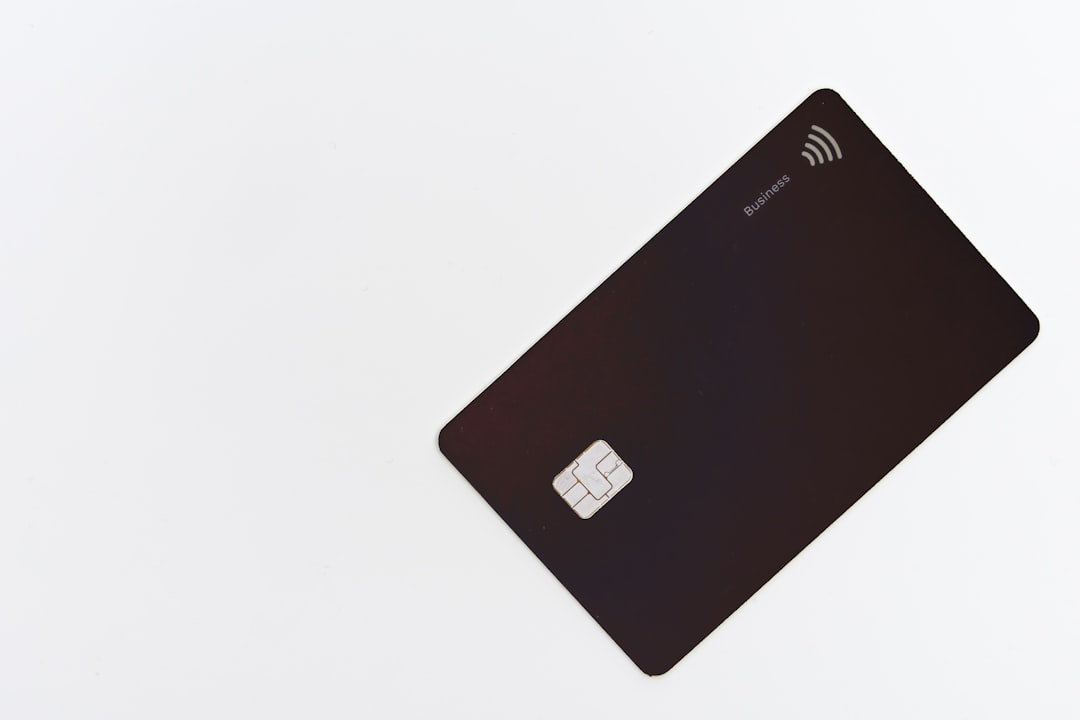
Most contactless cards issued across APAC markets today come with NFC built in. You'll usually see the contactless symbol (four curved lines, like a sideways Wi-Fi icon) printed on the card face. If your card doesn't have it, it's worth asking your issuer — many have refreshed their card programmes in the last couple of years, and a replacement card with NFC may be available at no charge.
There are typically transaction limits for contactless payments made without entering a PIN — these vary by country and issuer, but they're generally set in the low-to-mid hundreds of your local currency per tap. Above that threshold, you'll be prompted to insert and enter your PIN. Some issuers also implement cumulative limits: after a certain number of consecutive contactless taps, they'll ask for your PIN as a security check, even on smaller amounts.
Mobile Wallets: The Layer on Top
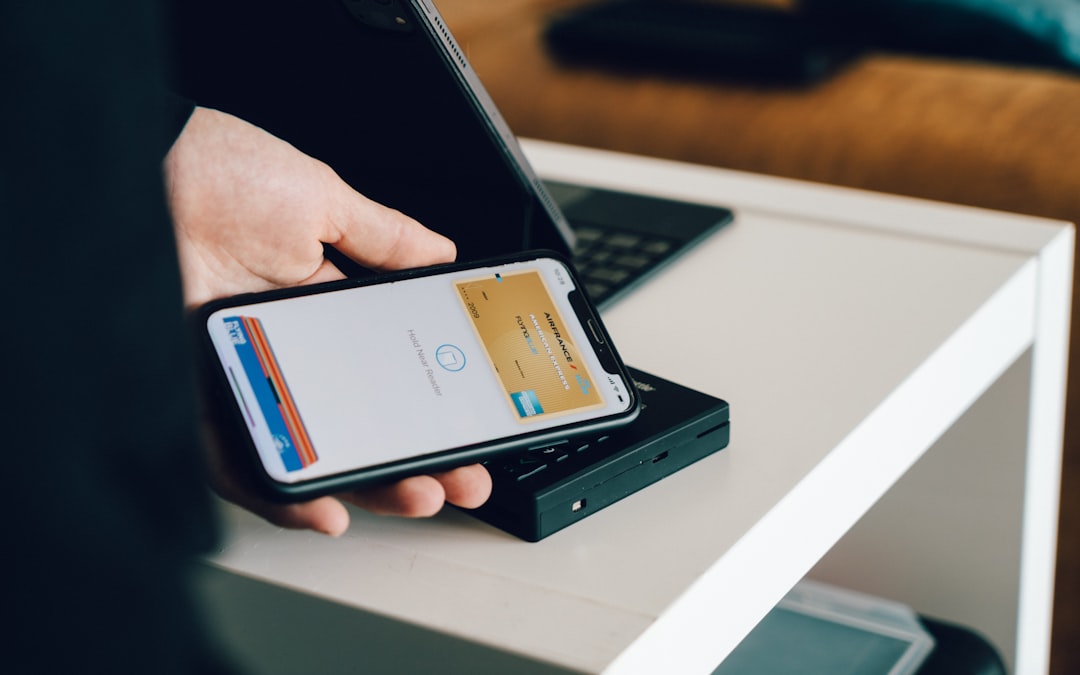
Your physical card is only half the story now. Most major card networks allow you to add your card to a mobile wallet on your smartphone or smartwatch, which uses the same NFC technology. The difference is that your device adds an extra authentication step — face ID, fingerprint, or device PIN — before completing the transaction.
This actually gives mobile wallet payments a higher security threshold than a bare physical card tap, which is why in some markets the per-transaction limit for mobile wallet payments is higher than for a physical card alone. If you regularly make larger contactless purchases, it's worth checking whether adding your card to your phone's wallet removes friction at checkout.
What This Means for How You Manage Your Spending
Here's where I want to get practical, because contactless has a real behavioural effect on spending that most people don't consciously think about.
Tapping is fast. Frictionlessly fast. And that ease is genuinely useful for small daily transactions — commuting, coffee, convenience stores. But that same frictionlessness means it's easier to spend without noticing. Research into payment psychology consistently shows that the more abstract and effortless a payment method feels, the less the amount registers emotionally. Cash hurts a little. Tapping a card at a café barely registers at all.
I'm not suggesting you go back to carrying cash everywhere — the convenience and security benefits of contactless are real. But I do think it's worth building a simple habit to compensate. Checking your transaction feed at the end of each day takes about ninety seconds with a modern banking app, and it keeps you anchored to what you've actually spent. In markets like the Philippines, Malaysia, and Thailand, where banking apps have become genuinely excellent, real-time transaction notifications are often on by default — use them.
Rewards and Contactless: Are You Earning on Every Tap?
One thing worth checking: whether your card's rewards programme applies equally to contactless transactions as it does to standard card payments. In most cases it does — a purchase is a purchase in the rewards engine's view. But some cards have historically excluded certain payment pathways, or applied different earn rates to transactions processed through third-party digital wallets versus direct card payments.
If you're using a rewards card and stacking your spending to maximise points or cashback, it's worth reading your card's terms carefully. This is especially relevant if you're using your card through a super-app or local payment platform that may route transactions differently. I'd point you to our guide on reading credit card terms — understanding how your rewards actually get calculated is genuinely useful before you assume every tap is earning at full rate.
QR Codes vs NFC: The APAC Split
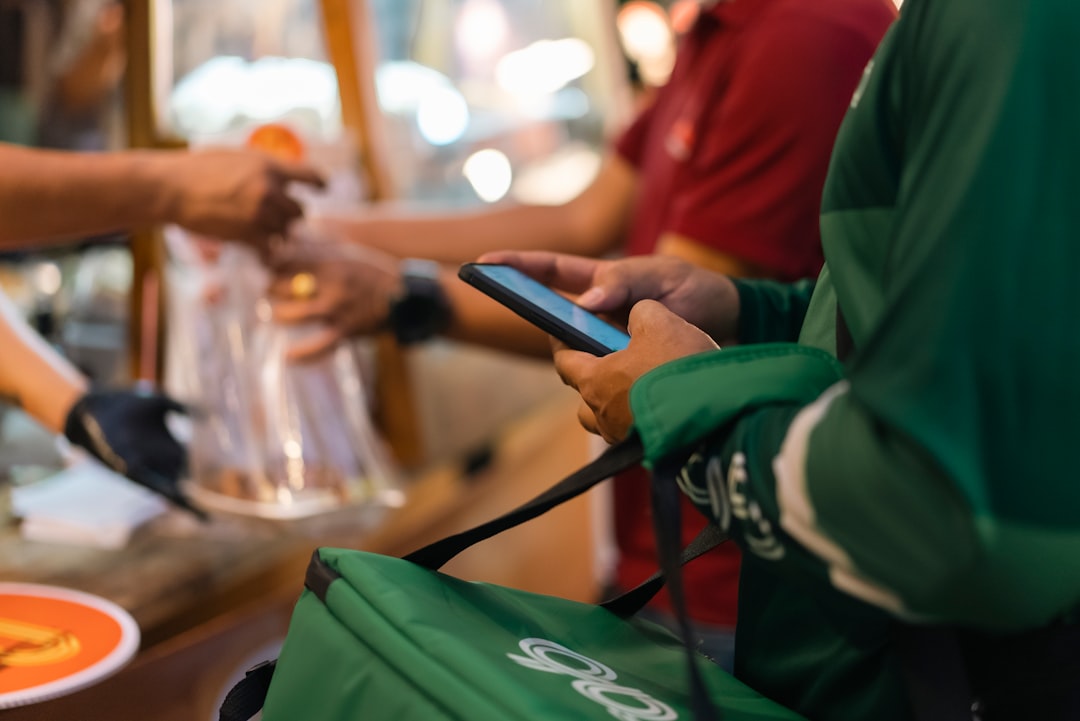
One thing that surprises people coming from Western markets is how dominant QR-code payments are in parts of APAC, particularly in China, Indonesia, Thailand, and Vietnam. These aren't NFC-based — instead, you open a payment app, display a QR code (or scan the merchant's), and the transaction is processed through the app's backend.
From a consumer experience standpoint, QR payments feel similarly seamless. But the underlying infrastructure is quite different, and so is the link to your traditional credit card. Some QR payment apps let you load funds from a credit card, but often at a fee, or with rewards not applying. Others are primarily funded from a linked bank account or a wallet balance topped up separately.
If you're in a market where QR codes are dominant and you want your credit card rewards to count, it's worth understanding exactly how your preferred app handles the funding chain. The digital wallet ecosystem across APAC is complex, and the rewards picture varies considerably depending on which payment rail your transaction actually travels.
Security: What You Actually Need to Know
A common concern I hear is about the security of contactless — particularly whether someone could skim your card just by walking past you. In practice, this kind of attack is extremely rare and technically difficult. NFC requires very close proximity, each transaction generates a unique cryptographic token, and your card details themselves are never transmitted in a usable form. Most issuers also provide zero-liability protection on unauthorised contactless transactions.
That said, there are genuinely useful precautions worth keeping:
- Enable transaction alerts. Instant push notifications mean you'll know within seconds if an unauthorised tap occurs.
- Use your mobile wallet for larger purchases. The biometric authentication step adds a meaningful security layer that a physical card tap doesn't have.
- Know how to freeze your card instantly. Every major banking app in APAC markets now allows you to temporarily freeze and unfreeze your card from your phone. Make sure you know where that button is before you need it.
- Check your statement regularly. This sounds basic because it is — but it's still the most effective way to catch anything unusual early.
If you're thinking about the broader fee picture around card security and replacements, it's worth reviewing our piece on avoiding common credit card fees, since some issuers charge for replacement cards even when the reason is security-related.
Choosing a Card That Works Well in a Contactless World
If you're currently evaluating which card to carry as your daily driver, contactless functionality is now essentially table stakes — most new cards have it. But there are a few things worth looking at specifically in the context of how you'll use it day-to-day.
Does the Card Work Well with Your Preferred Mobile Wallet?
In markets like Australia and New Zealand, the major smartphone wallets are near-universally supported. In other markets, compatibility can be patchier depending on your card network and your phone's operating system. Before applying for a new card, it's worth confirming it's compatible with the wallet you use most — or plan to use.
What Are the Contactless Limits?
As I mentioned, transaction limits vary. If you frequently make larger single purchases — say, at supermarkets or petrol stations — check whether you'll hit the contactless limit often enough to make PIN entry a regular hassle. Some issuers allow you to adjust your contactless limit within certain bounds through their app.
Is the Rewards Structure Contactless-Friendly?
A card that offers strong cashback or miles on everyday spending is most valuable when it consistently counts every transaction, including mobile wallet payments. If you're building a strategy around maximising everyday rewards, understanding the earn rules before you commit is important. For a broader look at structuring your rewards approach, our guide on cashback vs miles cards covers the key trade-offs well.

The Bigger Picture: Contactless and Financial Inclusion
One aspect of APAC's contactless revolution that doesn't get discussed enough in personal finance circles is what it means for financial inclusion. In markets like the Philippines, Indonesia, and Vietnam, mobile-first payment systems have brought millions of people into the digital economy without needing a traditional bank account or credit card. A mobile number, a basic smartphone, and a linked e-wallet can now be enough to pay bills, receive wages, and transact at merchants.
For people building financial habits from a starting point of limited credit history, this matters. A track record of responsible digital wallet use — even without a traditional card — is increasingly being recognised by some issuers as a basis for a first credit product. If that's your situation, our guide on building credit history from scratch covers how to translate good financial habits into a formal credit profile.
Making Contactless Work Harder for You
Ultimately, the contactless shift is a positive one for most APAC consumers. It's faster, generally safer than carrying cash, and well-suited to the high-frequency, lower-value transactions that make up most of everyday spending. The risk isn't the technology itself — it's the passive spending habits that easy tapping can quietly encourage.
My suggestion is simple: embrace the convenience, but build one small habit to stay conscious of what you're spending. Whether that's daily notification checks, a weekly spending review in your banking app, or a monthly sit-down with your statement, keeping a clear picture of where your money is going matters more, not less, when every transaction is effortless.
The best contactless setup is one where you're earning rewards on every tap, staying within budget, and never getting surprised by your statement. That combination is entirely achievable — it just takes a bit of intentional setup upfront.

Wei Lin Chen
Banking consultant specializing in Singapore and Malaysia markets.