When to Upgrade Your Credit Card: Smart Timing Strategies for APAC Markets
Advertisement
Learn when and how to upgrade your credit card across APAC markets. Discover timing strategies, income requirements, and how to maximize benefits from card upgrades.
I've watched countless friends make the mistake of either upgrading their credit cards too early or missing perfect opportunities to level up their plastic. After navigating credit card upgrades across different APAC markets, I've learned that timing truly is everything when it comes to maximizing your financial benefits.
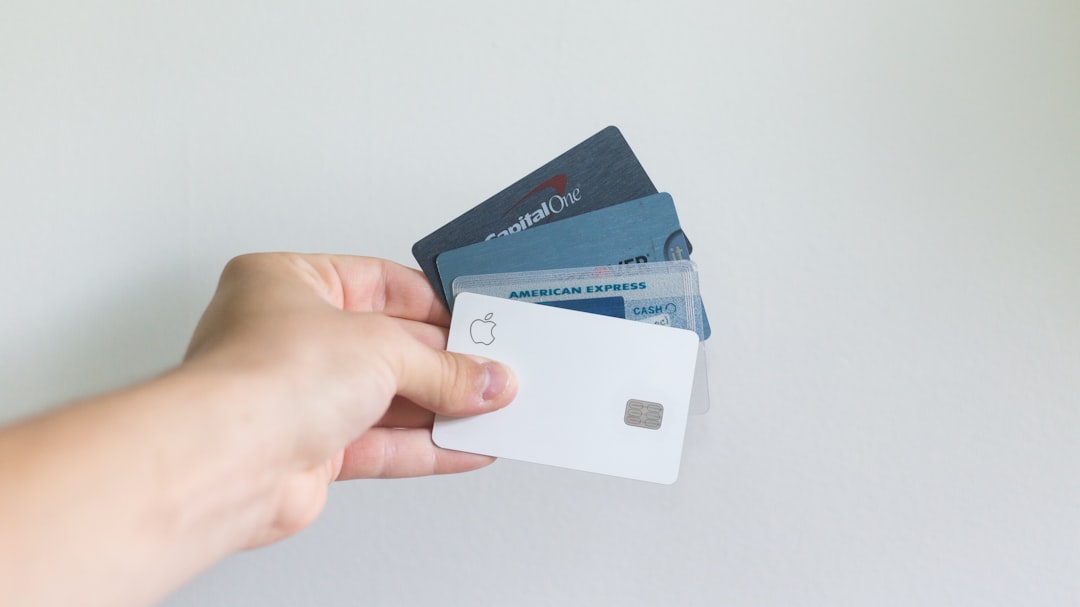
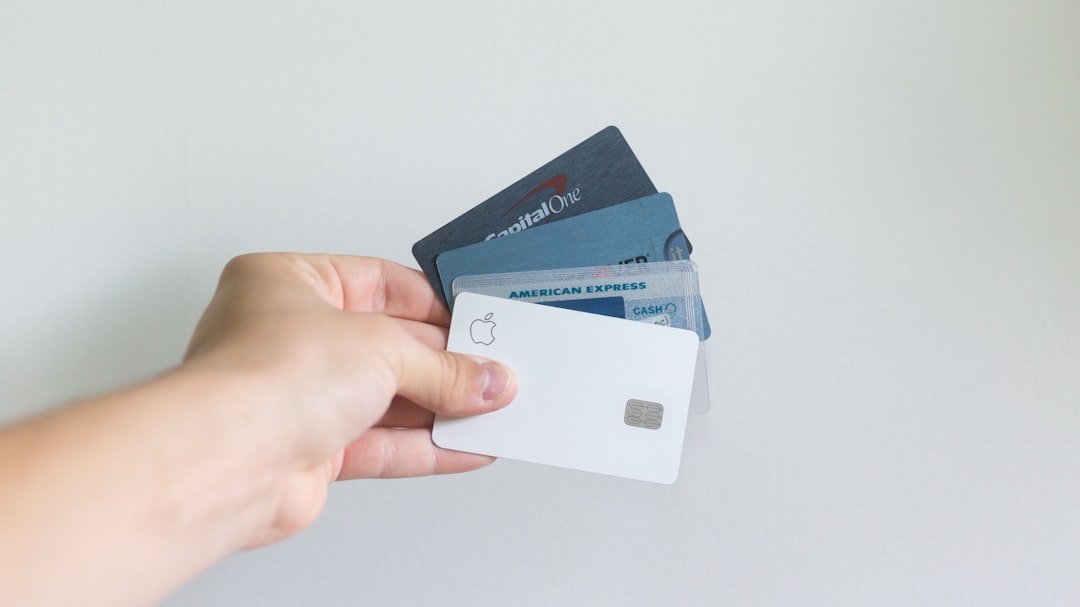
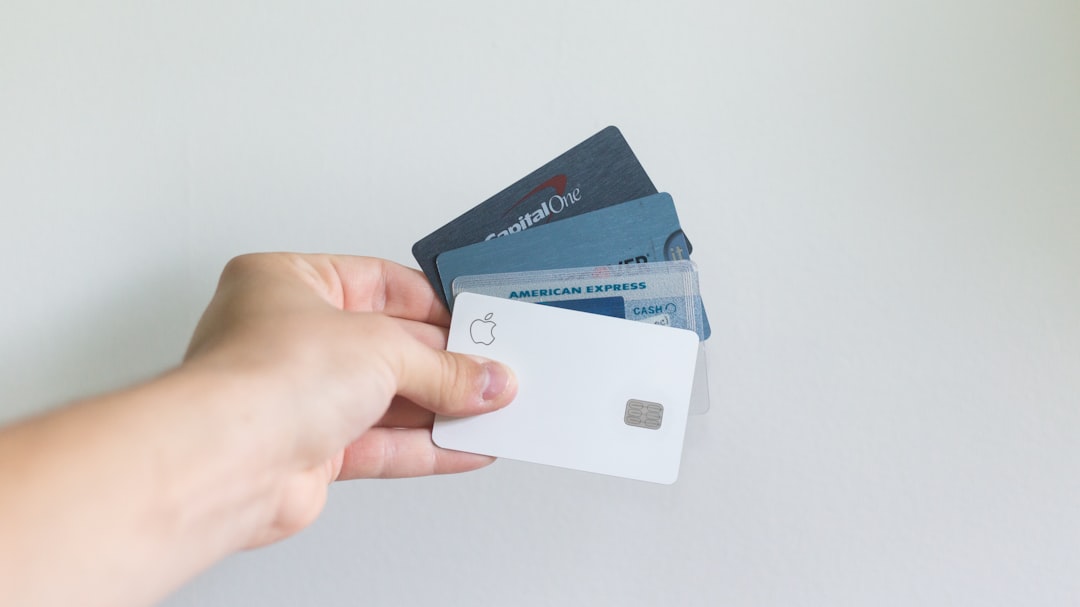
Upgrading your credit card isn't just about getting a shinier piece of plastic – it's a strategic financial decision that can unlock better rewards, higher credit limits, and premium perks. But knowing when to make that move requires understanding your financial position, market conditions, and the specific benefits you're seeking.

Understanding Credit Card Upgrades in APAC Markets
Before diving into timing strategies, let's clarify what a credit card upgrade actually means. In markets like Australia, Singapore, and Hong Kong, card upgrades typically involve moving from a basic card to a premium version within the same bank's product line. This might mean going from a standard rewards card to a gold or platinum variant, or from a no-fee card to one with an annual fee but enhanced benefits.
The upgrade process varies significantly across APAC regions. Some banks offer automatic upgrades based on your spending patterns and creditworthiness, while others require formal applications. Understanding these regional differences is crucial for timing your upgrade effectively.
Most importantly, upgrades differ from new card applications. When you upgrade, you're typically keeping the same account number and credit history, which can be beneficial for your credit building journey. However, the terms and conditions will change, often including different interest rates and fees.
Key Indicators It's Time to Upgrade
Your Income Has Significantly Increased
One of the strongest signals for a credit card upgrade is a substantial increase in your income. Premium cards across APAC markets typically have minimum income requirements that range from moderate to quite high, depending on the tier. If your salary has jumped significantly since you first got your current card, you might now qualify for products that were previously out of reach.
I recommend waiting until your increased income has been stable for at least six months before applying for an upgrade. Banks want to see consistent earning patterns, not just a temporary spike. Document your income increase through recent pay slips or tax returns, as you'll likely need to provide updated financial information during the upgrade process.
You've Outgrown Your Current Card's Benefits
Take a hard look at your spending patterns over the past year. If you're consistently hitting the spending caps on your current card's rewards categories, or if you're spending significantly more than when you first got the card, an upgrade might unlock better value.
For example, if your current card offers 1% cashback on all purchases but you're spending substantial amounts monthly, a premium card offering 2-3% in specific categories could deliver meaningful returns. Similarly, if you've started traveling more frequently for work or pleasure, upgrading to a travel rewards card with lounge access and travel insurance could provide genuine value.
Your Credit Profile Has Improved
If you've been diligently managing your finances and your credit score has improved substantially since getting your current card, you're likely now eligible for better products. This is particularly relevant if you started with a secured card or basic unsecured card and have demonstrated responsible credit usage over time.
A stronger credit profile doesn't just make you eligible for premium cards – it can also help you negotiate better terms. With improved creditworthiness, you might qualify for lower interest rates or higher credit limits on upgraded products.

Strategic Timing Considerations
Annual Fee Timing
If your current card has an annual fee, timing your upgrade around the fee schedule can save you money. Many banks across APAC markets are willing to waive or pro-rate annual fees when you upgrade, but this often requires careful timing.
I've found the best window is typically 30-60 days before your current card's annual fee is due. This gives you leverage to negotiate – you can position the upgrade as an alternative to potentially canceling your current card to avoid the fee. Some banks will even apply any paid annual fee toward the new card's fee structure.
Promotional Periods
Banks regularly run upgrade promotions, especially during certain times of the year. These might include bonus points for upgrading, waived annual fees for the first year, or enhanced earning rates for initial months. In markets like Malaysia, Thailand, and the Philippines, I've noticed these promotions often coincide with shopping seasons or holiday periods.
However, don't let promotions drive your decision entirely. A promotion only adds value if the underlying card genuinely suits your needs and spending patterns. Sometimes a less flashy upgrade without promotional bonuses can deliver better long-term value.
Life Event Timing
Major life events often create natural upgrade opportunities. Starting a new job, getting married, buying a home, or having children can all shift your financial priorities and spending patterns in ways that make different card features more valuable.
For instance, if you're planning a honeymoon or family vacation, upgrading to a travel card beforehand can help you earn bonus points on trip expenses while providing travel protections. Similarly, if you're furnishing a new home, a card with enhanced rewards on retail or home improvement spending could be valuable.
How to Approach the Upgrade Process
Research Before You Act
Before initiating any upgrade, thoroughly research the target card's features, fees, and terms. Compare it not just to your current card, but to competing products from other banks. The upgrade path within your current bank might not always be the best option available to you.
Pay particular attention to how the annual percentage rate (APR) and credit limit might change with the upgrade. Premium cards sometimes come with higher interest rates, which could be problematic if you occasionally carry a balance.
Prepare Your Financial Documentation
Even for upgrades within the same bank, you'll likely need to provide updated income verification and financial information. Gather recent pay slips, tax returns, and bank statements before starting the process. Having everything ready can speed up approval and demonstrate your organizational skills to the bank.
Consider the Soft Application Approach
Many banks across APAC markets offer pre-qualification tools or will provide upgrade offers through their mobile banking apps. These often involve soft credit checks that don't impact your credit score, allowing you to explore options without commitment.
If you don't see upgrade offers in your online banking, consider calling your bank's customer service line to inquire about available upgrades. They can often see products you're pre-qualified for that aren't displayed online.

When NOT to Upgrade Your Credit Card
You're Planning Major Credit Applications
If you're planning to apply for a mortgage, car loan, or other significant credit within the next six months, hold off on credit card upgrades. Even though upgrades typically don't require new credit checks, some banks do perform hard inquiries, which can temporarily impact your credit score.
Additionally, lenders evaluating you for major loans prefer to see stability in your credit accounts. A recent card upgrade might raise questions about your financial situation or spending habits.
Your Current Card Already Meets Your Needs
Don't upgrade just because you can. If your current card provides good value for your spending patterns and you're satisfied with its features, there's no compelling reason to change. Premium cards often come with annual fees and higher spending requirements that only make sense if you'll actively use their enhanced benefits.
I've seen people upgrade to premium travel cards with lounge access who rarely travel, or cashback cards with high spending thresholds they never reach. In these cases, the upgrade actually reduces their overall value from credit card rewards.
You're Carrying High Balances
If you're currently carrying significant credit card debt, focus on paying that down before considering upgrades. Premium cards often have higher interest rates, and the last thing you want is to increase your borrowing costs while dealing with existing debt.
Instead, concentrate on developing better payment habits and reducing your utilization ratio. Once you've achieved financial stability and paid down your balances, you'll be in a much better position to evaluate upgrade options objectively.
Maximizing Your Upgrade Benefits
Negotiate During the Process
Don't assume the standard upgrade offer is the best available. If you're a good customer with a solid payment history, you often have room to negotiate. This might include requesting a waived annual fee for the first year, bonus points for upgrading, or a higher credit limit than initially offered.
In my experience across different APAC markets, banks are particularly receptive to negotiations if you mention competitive offers from other institutions. However, be prepared to provide specific details about those competing offers.
Understand the Transition Period
Ask about the timeline for your upgrade and what happens during the transition. Some banks issue new cards immediately while others take several weeks. Understanding this timeline helps you plan around any temporary disruptions to your payment methods.
Also clarify whether your existing rewards points will transfer to the new card program and if there are any changes to redemption options or point values. Some upgrades involve switching between different rewards programs, which could affect your accumulated points.
Set Up Automatic Payments and Monitoring
Once your upgrade is complete, update any automatic payments or subscription services linked to your card. This is also an excellent time to review your budget and spending categories to ensure you're maximizing the new card's benefits.
Consider setting up spending alerts or budgets in your mobile banking app to help you stay within optimal spending ranges for bonus categories. Many premium cards have quarterly spending caps or annual spending requirements that require active management to maximize.
Alternative Strategies to Consider
Multiple Card Strategy
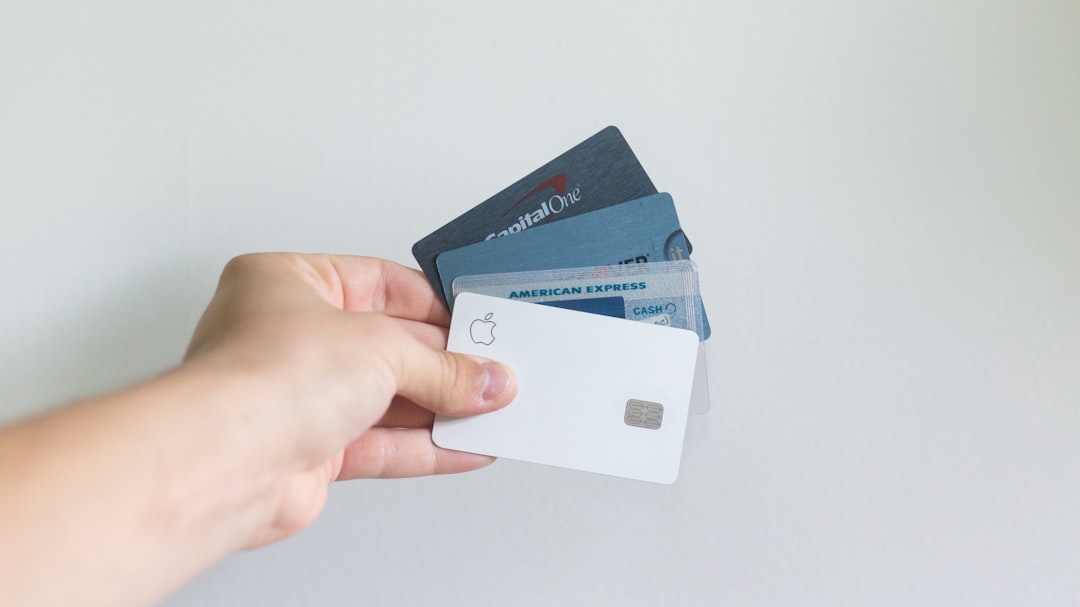
Instead of upgrading your current card, consider keeping it and adding a new premium card to your wallet. This strategy can be particularly effective if your current card has no annual fee and provides good value in certain categories.
The multiple card approach allows you to optimize rewards across different spending categories while maintaining your existing credit history. However, it requires more active management and discipline to avoid overspending or missing payments across multiple accounts.
Downgrading When Circumstances Change
Remember that card changes don't have to be permanent. If your circumstances change – perhaps your income decreases or your spending patterns shift – you can often downgrade to a lower-tier card within the same bank's product line.
This flexibility is one advantage of staying within the same banking relationship rather than switching to a completely new provider. Downgrades typically preserve your account history and relationship with the bank while reducing annual fees and spending requirements.
Final Thoughts on Strategic Card Upgrades
Upgrading your credit card can be a smart financial move when timed correctly and aligned with your actual needs and spending patterns. The key is approaching the decision strategically rather than emotionally, focusing on genuine value rather than perceived status.
Take time to analyze your spending patterns, financial goals, and current satisfaction with your existing card before making any moves. The best upgrade is one that enhances your financial position while fitting seamlessly into your existing money management approach.
Remember that in the diverse APAC financial landscape, what works in one market might not apply in another. Always research local banking practices and regulations, and don't hesitate to speak directly with your bank about available options and optimal timing for your specific situation.
By following these strategic timing principles and thoroughly evaluating your options, you'll be well-positioned to make credit card upgrade decisions that genuinely enhance your financial well-being rather than simply satisfying the desire for a premium-looking piece of plastic.

Maria Santos
Financial analyst covering Southeast Asian banking markets.