
Remittances to Vietnam: How to Receive Money From Abroad Without Losing Half the Value to Fees
Advertisement
Getting money from family abroad? Here is how to compare remittance channels into Vietnam, spot hidden exchange rate margins and keep more of every transfer.

A friend of mine in Ho Chi Minh City gets a transfer from her brother abroad every month to help cover her parents' medical costs. For a long time, neither of them questioned how the money arrived. He picked whatever service looked easiest, she collected the dong, and everyone assumed the cost was just a small, unavoidable fee. When they finally sat down and compared two months of transfers, the gap between what he sent and what she received was larger than either expected. The visible fee was small. The exchange rate was where the money quietly disappeared.
If you are on the receiving end of money from abroad, or you are the person sending it, this guide walks through how remittances into Vietnam actually work, where the costs hide, and the habits that keep more of the value in the family.

Why Remittances Matter So Much in Vietnam
Remittances are a real pillar of household finance in Vietnam. Families use them for tuition, medical bills, home renovations, small business capital and everyday support. Because the amounts often matter a great deal to the receiving household, even a small percentage lost in costs adds up over a year of regular transfers.
The State Bank of Vietnam, which you can read about on the official site at sbv.gov.vn, sets the framework for foreign exchange and licensed money transfer activity in the country. That matters to you as a recipient, because it is the reason you should prefer licensed channels. Informal arrangements may look cheaper, but they come with no recourse if the money never arrives.
The Three Costs You Need to Watch
Almost every remittance involves three layers of cost, and providers love to advertise only the first.
The Transfer Fee
This is the number shown up front. Some services advertise zero fees to attract senders. That sounds generous, but a zero fee often means the provider is earning its margin elsewhere.
The Exchange Rate Margin
This is the big one. The mid-market rate is the rate banks use among themselves, and you can see it on any major currency converter. Most providers add a margin on top, so the rate offered to the sender is worse than the mid-market rate. A service that charges no fee but offers a poor rate can easily cost more than one with a visible fee and a fair rate. The way to judge any provider is to compare the actual amount of dong that lands in the recipient's account, not the advertised fee.
Receiving Bank Charges
If the money arrives through the traditional banking network, an intermediary or the receiving bank may take a deduction. Vietcombank, VPBank, Techcombank and BIDV all publish fee schedules, and it is worth reading the section on incoming international transfers before you give your account details to a sender.
Your Main Options for Receiving Money
Bank-to-Bank Transfers
The classic route is an international wire to an account at a Vietnamese bank. It is reliable and well suited to larger amounts, particularly for things like property deposits or tuition. The downsides are that it can be slower and the combined cost of sender bank fees, intermediary fees and the receiving bank's charges can be noticeable on smaller transfers. If your family sends large sums only a few times a year, this route can make sense. For small monthly support, it is rarely the cheapest.
Licensed Money Transfer Services
Online money transfer providers and traditional remittance companies often deliver funds faster and publish their rates clearly at the time of sending. Many deposit straight into a Vietnamese bank account or e-wallet, and some offer cash pickup. Before choosing one, confirm it is a licensed operator and check how the recipient will actually get the money. I would always compare at least two providers on the same day with the same amount, because rates move constantly.
E-Wallet Deliveries
Vietnam's digital wallet scene is lively, and some transfer services can send money straight into a wallet. This is convenient for recipients who spend mostly through their phone, and it ties in neatly with the broader shift described in our guide to digital wallets and mobile banking across APAC. Just check any limits on how much a wallet can hold or receive, and whether you can move the balance to a bank account without extra charges.
How to Compare Providers Properly
Here is the method I now recommend to anyone who asks. It takes about ten minutes and can save a meaningful amount over a year.
First, decide on the amount being sent and the sending currency. Second, open two or three providers and enter the same amount. Third, ignore the headline fee and look only at how many dong the recipient will receive. Fourth, check the delivery time and the delivery method. Fifth, compare that final dong figure against the mid-market rate to see how much margin you are really paying.
The same discipline applies to travel, by the way. If you have read our piece on foreign exchange tips for travelers, the logic is identical: the rate matters more than the fee, and the only honest comparison is the final amount in your hands.
Practical Habits That Save Money
Send Less Often, in Larger Amounts
Many providers charge a flat fee, so several small transfers cost more in total than one larger transfer. If your family does not need the money in weekly slices, sending once a month can reduce the fixed costs. Balance this against your own budgeting needs, since the recipient still has to make the money last.
Avoid Last-Minute Urgency
Express delivery usually carries a premium. If the money is not needed that same day, the slower, cheaper option is often just as good. Planning ahead for predictable expenses like school fees is one of the easiest ways to cut costs. A small sinking fund approach to big bills works just as well for recipients in Vietnam as it does elsewhere.
Keep Records for Larger Sums
If you receive large amounts, keep the transfer confirmations. Banks may ask about the purpose and source of incoming funds, and having documents ready makes the process smoother. Rules on reporting and limits can change, so check the current requirements with your bank or the State Bank of Vietnam rather than relying on an old forum post.
Watch Out for Scams
Remittance fraud is common everywhere. Be wary of anyone who asks you to pay a fee to release incoming funds, or who contacts you offering unusually good rates through social media. Stick to licensed providers and official bank channels, and never share one-time passwords.
Turning Received Money Into Something Useful
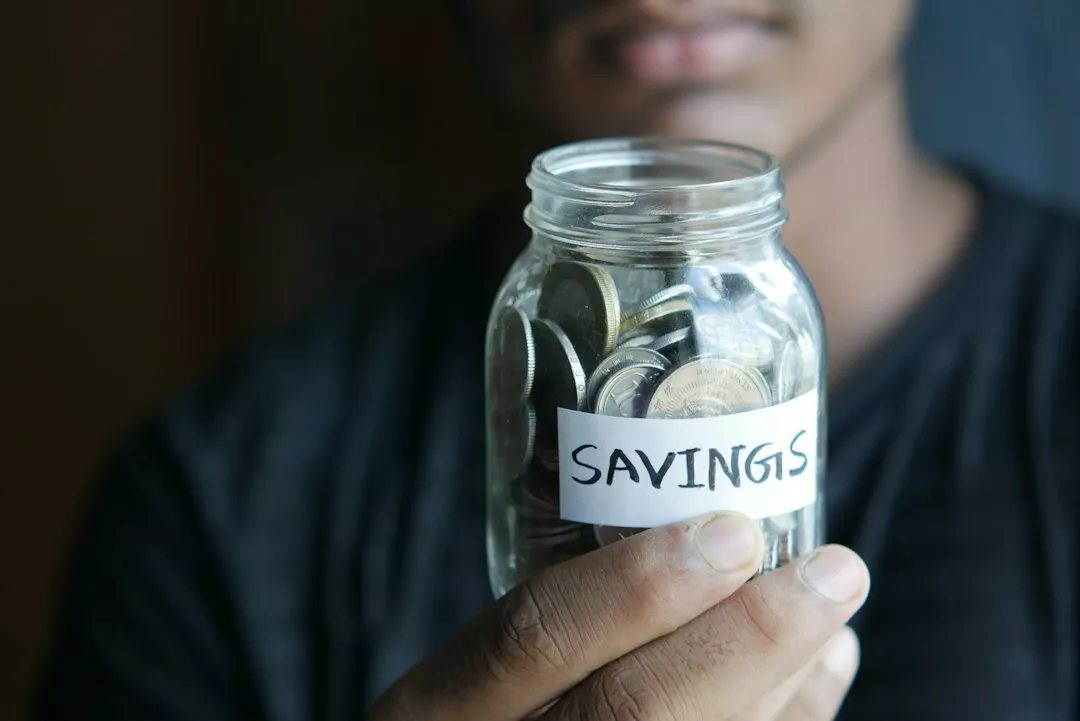
Receiving money is only half the picture. What the recipient does next matters just as much. If the funds arrive regularly, consider setting aside a small portion in a savings account before spending, rather than letting it all flow into daily costs. Vietnamese banks offer term deposits and savings products, and the rates vary by bank and tenor, so check each bank's current published offer rather than assuming. Building even a modest buffer protects the household if the transfers pause for a month.
It also helps to have an honest conversation between sender and receiver about what the money is for. Clear expectations prevent resentment and help both sides plan. Sometimes the best saving is not a clever provider, it is knowing the exact amount needed so nothing is sent unnecessarily.
The Takeaway
The cheapest remittance is rarely the one with the loudest promise of zero fees. Judge every option by the dong that actually arrives, prefer licensed channels, send in sensible batches, and keep an eye on the exchange rate margin, because that is where most of the cost sits. A few minutes of comparison each time you send is a small habit that quietly returns a lot of value to the people on the other end.

James Mitchell
Financial journalist covering Australian and New Zealand banking.








