
Paying Yourself First in Malaysia: How I Automate Savings Before the Month Eats My Salary
Advertisement
A practical guide to paying yourself first in Malaysia: automate savings, use EPF and PRS wisely, pick the right account and stop month-end money panic.
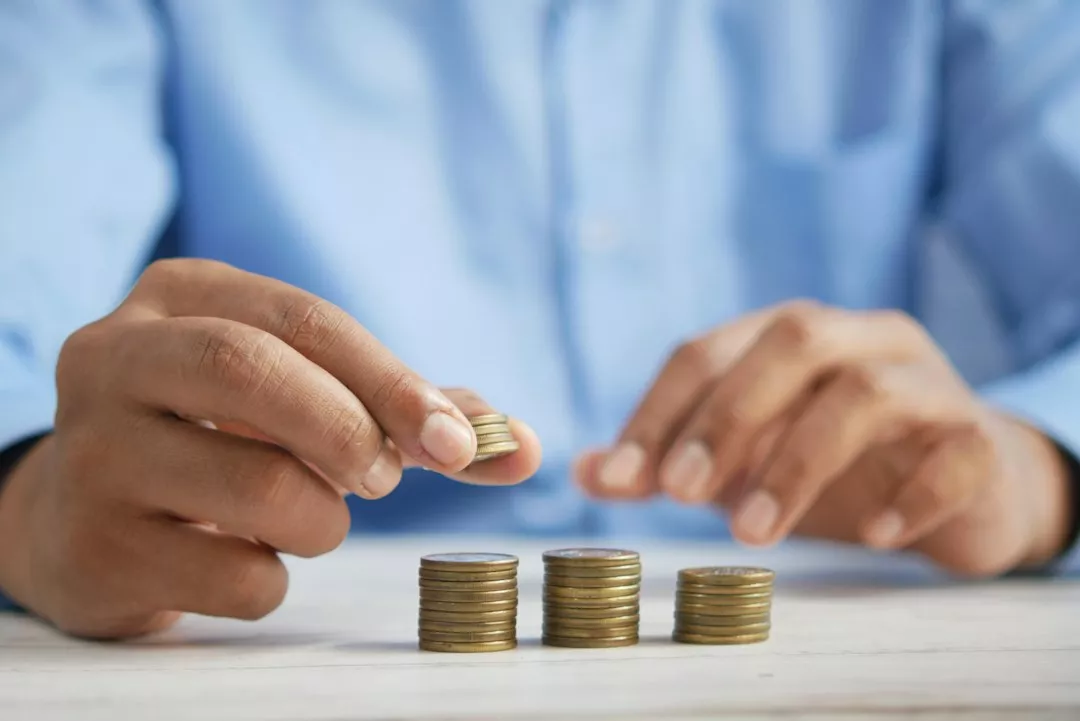
For years I treated saving as whatever was left over at the end of the month. In Malaysia, where a coffee run, a Grab ride and a weekend makan session can quietly swallow a few hundred ringgit, what was left over was usually close to nothing. The habit that finally changed this for me is simple and almost boring: pay yourself first. Move money into savings the moment your salary lands, and live on the rest.
This guide walks through how I think about it for a Malaysian salary, which tools actually help, and the mistakes that make people abandon the habit after two months.
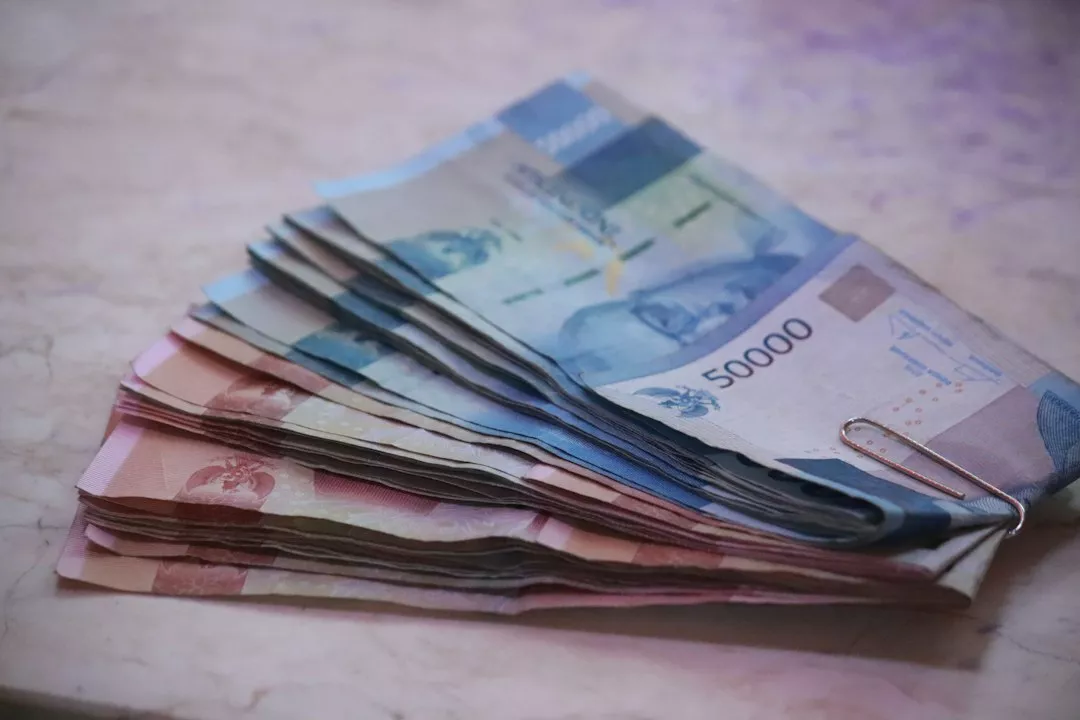
What paying yourself first actually means
The idea is to flip the order of your spending. Instead of paying bills, spending on lifestyle and saving the remainder, you decide on a savings amount first and treat it like a non-negotiable bill. It leaves your main account on payday, before you have a chance to rationalise one more takeaway order.
The psychology matters more than the maths. When savings are a leftover, they depend on willpower every single day. When they are automated, willpower is only needed once, on the day you set it up.
Start with a percentage, not a heroic number
A common mistake is picking an ambitious figure and abandoning it by the second month. I would rather start with a modest slice of take-home pay that feels almost too easy, then raise it each time income rises. A small automatic transfer that survives for two years beats a large one that lasts six weeks. The right percentage depends on your rent, family obligations and debts, so treat any rule of thumb as a starting point rather than a verdict.
Know what your mandatory contributions already do
Before adding anything, remember that if you are a salaried employee in Malaysia, a portion of your pay already goes into the Employees Provident Fund. The EPF (KWSP) exists for retirement, and its dividend rate is announced annually, so check the latest figure on the official site rather than relying on what friends quote. Because EPF money is locked for the long term, it does not replace a cash buffer for car repairs, medical bills or a gap between jobs.
That is why I separate savings into layers: retirement money that stays untouched, an emergency pot you can reach within a day, and short-term goals like a holiday or a laptop. Paying yourself first works best when each layer has its own destination.

Choosing where the money goes
Malaysian banks such as Maybank, CIMB, Public Bank, Hong Leong and RHB all offer ordinary savings accounts, and most also offer higher-yield or goal-based options. Rates change often and vary by balance tier and conditions, so I will not quote numbers here. What I do is compare three things before I open anything: how the advertised rate is earned, whether there are minimum balance or transaction requirements, and how quickly I can withdraw.
Keep the savings account slightly inconvenient
This sounds counterintuitive, but I keep my savings in a different bank from my daily spending account. If the savings app is not sitting next to my debit card, I am far less likely to dip in for a spontaneous purchase. A transfer between banks via DuitNow is quick enough for a real emergency but slow enough to make me stop and think for a moment.
Check deposit protection
Deposits at licensed banks in Malaysia are covered by PIDM up to a limit. The details, including what is and is not protected, are published by PIDM, and it is worth reading before you decide how to spread larger balances across institutions.
Automating the transfer
Setting this up takes about ten minutes. Most Malaysian banking apps let you schedule a recurring transfer, and many employers pay on a predictable date, so the practical steps are straightforward.
First, find out the exact day your salary arrives. Second, schedule the transfer for the same day or the morning after, so the money moves before you see it as spendable. Third, name the destination account clearly inside the app, something like Emergency Fund or Japan Trip, because a clear label makes you less likely to raid it.
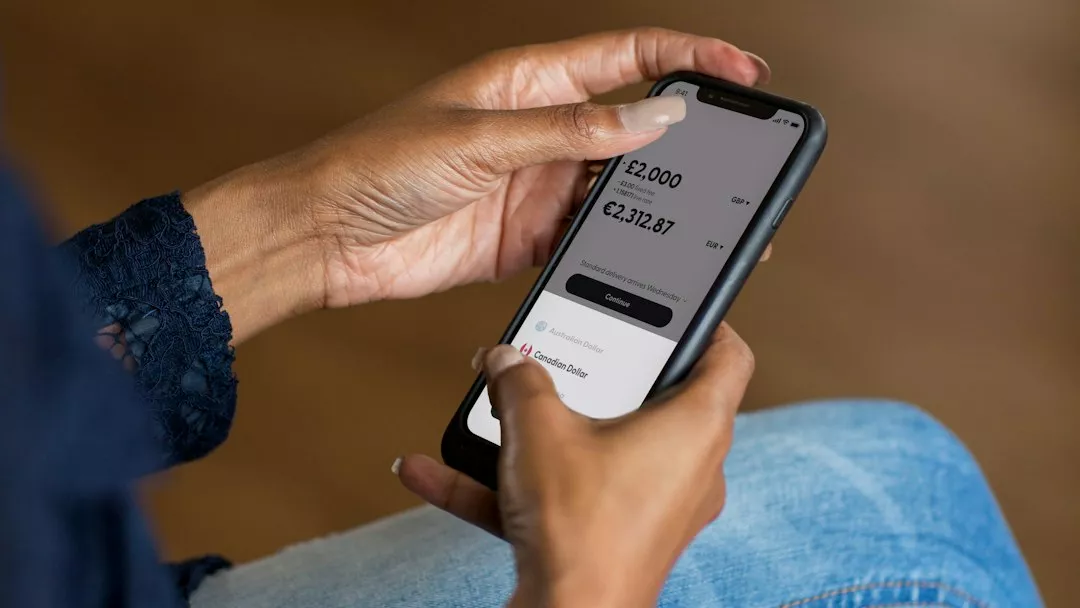
Use bank features and e-wallet tools carefully
Some banks offer round-up or goal-saving features, and some e-wallets let you tuck money into separate pots. These are handy for small amounts, but I treat them as extras rather than the foundation. Read the terms, check who actually holds the money and whether it is a bank deposit or a stored-value balance, and confirm any withdrawal limits. If you are weighing how wallets fit into your wider setup, my piece on digital wallets and mobile banking in APAC covers the trade-offs in more detail.
Building the layers one at a time
I do not try to fund everything at once. The order I recommend is a starter cushion first, then a full emergency fund, then goals. If you want help deciding how large the cushion should be and where to hold it, the approach in this emergency fund guide translates well even though the examples are Australian, because the logic of keeping a safety net accessible and separate is universal.
For predictable but irregular costs such as road tax, insurance renewals or school fees, a dedicated pot works better than lumping everything together. The method described in this sinking fund article is a good model: divide the annual cost by twelve and automate that amount monthly, so the big bill never feels like an ambush.
Consider voluntary retirement top-ups later
Once your emergency fund is solid, you may look at the Private Retirement Scheme, which is regulated by the Securities Commission Malaysia and offers tax relief within set limits. Because tax rules and relief caps are updated periodically, check the current position with LHDN or a licensed adviser before committing. I mention it as a later step, not a first one, because locked retirement money does nothing for you in a cash crunch.
Mistakes that quietly kill the habit
The first is setting the amount too high and then cancelling the transfer after one tight month. If a month looks lean, reduce the amount rather than stopping it. Keeping the habit alive matters more than the figure.
The second is saving while carrying expensive card debt. If you are paying high interest on an outstanding balance, a savings account earning a modest rate will not offset it. Build a small buffer so you stop reaching for the card, then attack the debt aggressively. Understanding how your cards charge interest, as explained in this look at credit scores and the wider cost of borrowing, helps you decide the right balance between saving and repaying.
The third is never reviewing the system. Salary raises, a new baby, a change in rent: each one is a cue to revisit the percentage. I put a calendar reminder twice a year to check the transfer amount and the account rate, nothing more elaborate than that.
A simple routine you can copy this month
On payday, savings leave first. A few days later, bills and fixed commitments are paid. What remains is genuinely yours to spend, guilt free. Every few months, I glance at the balances, nudge the transfer up if I can, and move on with my life.
There is no clever trick here and no product that does the work for you. The value of paying yourself first is that it removes the daily decision, and in my experience most of personal finance comes down to removing decisions that you are likely to get wrong when you are tired, hungry or tempted by a sale.
Frequently asked questions
How much of my salary should I save automatically in Malaysia?
There is no single correct figure because rent, family support and debt differ widely. A sensible approach is to start with an amount that feels easy, even a small percentage of take-home pay, and increase it whenever your income rises. Consistency matters more than size at the beginning.
Is EPF enough or do I still need a separate savings account?
EPF is designed for retirement and is largely locked until you reach the eligible age or qualify under specific withdrawal schemes, so it cannot serve as an emergency fund. A separate, accessible savings account covers short-term shocks such as medical costs or sudden job loss.
Should I keep savings in the same bank as my salary account?
It is usually better to use a different bank. Having the savings app separate from your daily spending account adds a small amount of friction, which reduces impulse withdrawals while still letting you move money quickly through DuitNow if a real emergency appears.
Should I save or pay off credit card debt first?
Build a small starter buffer so unexpected costs do not go straight onto the card, then prioritise clearing high-interest card balances. The interest on unpaid card debt is typically far higher than what a savings account pays, so reducing it gives a better return than saving alone.
When should I look at voluntary retirement schemes like PRS?
Consider them after your emergency fund is established and high-interest debt is under control. Because tax relief limits and scheme details change, check the latest rules with LHDN or a licensed adviser before contributing.

Maria Santos
Financial analyst covering Southeast Asian banking markets.








