
Choosing a Bank Account in the Philippines: How I Compare Savings Accounts Without Falling for Teaser Rates
Advertisement
A practical look at how to compare savings accounts in the Philippines, from BDO and BPI to digital banks, and how to read rates, fees and PDIC coverage.
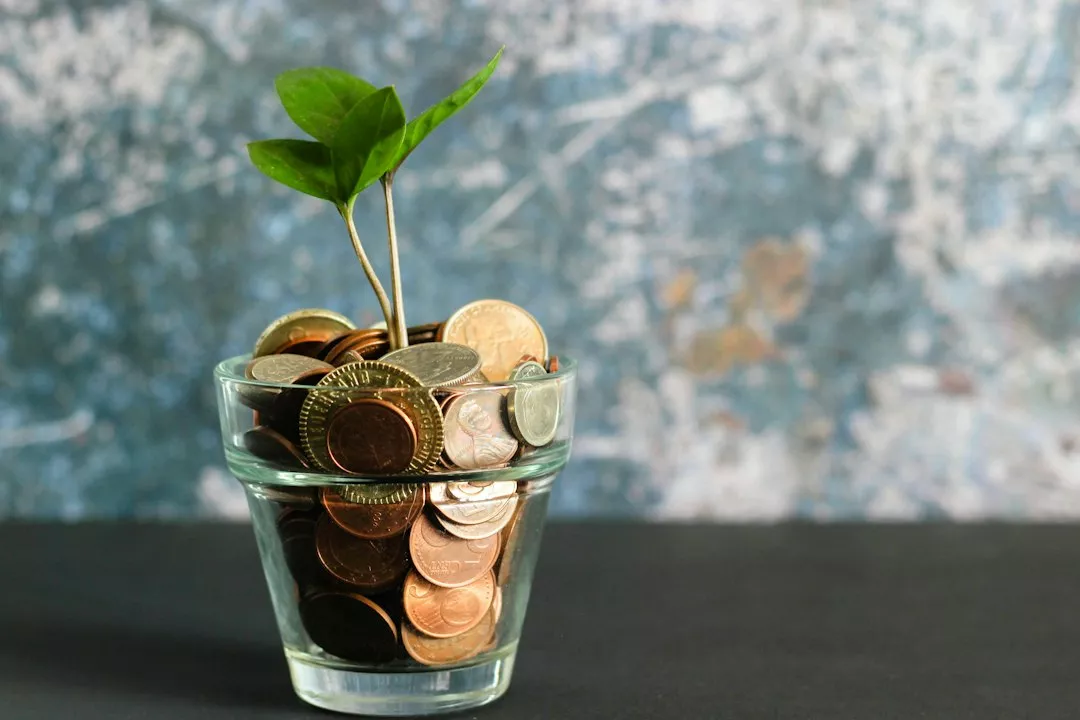
The first time I seriously compared savings accounts in the Philippines, I assumed it would take ten minutes. Pick the highest rate, open the account, done. It took an entire weekend, because the number on the promotional banner turned out to be only one small piece of the story. Since then I have developed a simple routine for choosing where my money sits, and I want to share it, because it has saved me from a few annoying surprises.
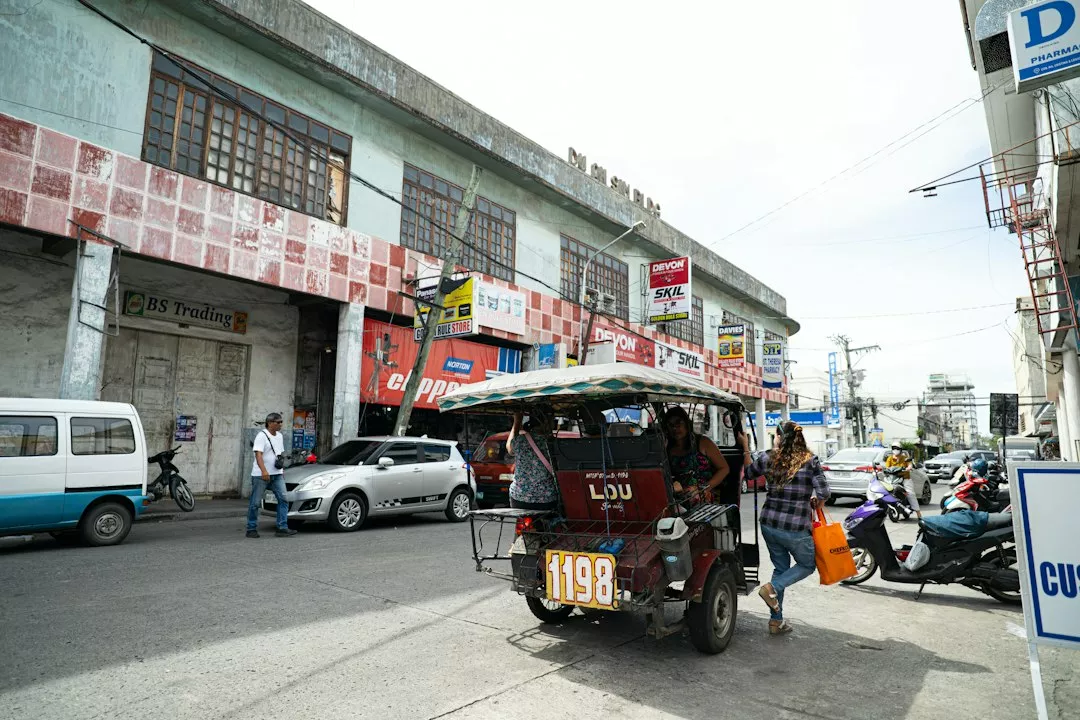
Start With What the Account Is Actually For
Before comparing anything, I decide what job the account has. In my own setup, one account handles daily spending and bill payments, and a separate one holds money I do not want to touch. Mixing those two purposes is how a savings account quietly turns into a second wallet.
For the daily account, I care about convenience: a wide ATM network, a decent mobile app, and easy transfers through InstaPay and PESONet. This is where the big traditional banks like BDO, BPI and Metrobank are strong, because their branches and ATMs are everywhere, including smaller cities where digital-only options can feel less reassuring.
For the savings account, I care about the interest earned, the conditions attached to it, and whether the deposit is protected. That is a completely different checklist, and it is why one account rarely wins at both jobs.
Reading Interest Rates Without Getting Fooled
Advertised rates in the Philippines are quoted per annum, but the way they apply can differ a lot between products. Here is what I look for before I trust any headline number.
Conditions Behind the Rate
Some accounts pay their best rate only on balances above a certain tier, or only if you keep the money untouched for a period. Others pay a lower base rate and a higher one only when you meet a monthly activity requirement. If the fine print says the rate drops after a promotional window, I treat the lower rate as the real one.
Withholding Tax on Interest
Interest on regular peso deposits is generally subject to a final withholding tax, so the amount that lands in your account is lower than the headline rate suggests. When I compare two accounts, I compare them on the same footing, after tax, rather than being impressed by a gross figure. The Bureau of Internal Revenue explains how deposit interest is taxed on its official website, and it is worth reading once so the numbers on your statement never confuse you.

Maintaining Balance and Fees: The Quiet Costs
This is the part that surprised me most. Traditional savings accounts often require a minimum initial deposit and a maintaining balance. If your balance dips below that line, the bank can charge a monthly fee, which can eat directly into whatever interest you earned. A savings account that pays a little interest but charges you for being under the maintaining balance is not really a savings account, it is a cost.
My habit is simple. I ask or check the bank's published fee schedule for four things: the initial deposit, the maintaining balance, the fee for falling below it, and any charges for inter-bank transfers or over-the-counter transactions. Banks publish these, and the amounts vary by account type and branch category, so I never rely on a friend's memory of what they paid.
Digital Banks: Where They Fit
The Philippines now has several licensed digital banks, and some of them offer noticeably higher advertised rates than the traditional players. I do use this kind of account for part of my savings, but I use it with open eyes.
What I Like
Opening an account is usually fast and done entirely from your phone. There is often no maintaining balance, and the interface makes it easy to separate goals into different pockets. For money I want to keep out of sight and out of reach, that friction-free setup is genuinely useful.
What I Check First
I confirm that the institution is a bank licensed by the Bangko Sentral ng Pilipinas rather than only an e-wallet. The two are different, and the protection that applies to them is different too. The BSP maintains information on supervised institutions on its official website, which is where I verify a name before moving a single peso. If you mostly live inside an app like GCash, my piece on the GCash digital wallet explains how wallet balances differ from a regular bank deposit.
PDIC Coverage: The Safety Check I Never Skip
Deposits in banks are insured by the Philippine Deposit Insurance Corporation, up to a maximum amount per depositor per bank. That ceiling matters, because it means putting a very large sum into a single institution carries more risk than spreading it across more than one. I keep my savings below the coverage limit at any single bank where I can, and I verify the current limit and what types of deposits are covered directly on the PDIC website instead of trusting a number I read in a forum.
This is also why I do not chase the single highest rate with everything I own. A slightly lower rate at a well-supervised bank, combined with sensible spreading of deposits, lets me sleep better than squeezing out every last fraction of a percent.
My Simple Comparison Routine
When I am deciding where to put money, I run through the same short sequence each time.
First, I confirm the institution is a licensed bank and that deposits are PDIC-insured. Second, I read the real interest conditions, including tiers, time requirements and any promotional period. Third, I check the fee schedule for the maintaining balance and transfer charges. Fourth, I picture how I will actually use the account. If I will need to withdraw often, a slightly lower rate with better access wins. If I will leave the money alone for months, rate and conditions matter more.
Once the money is parked, I automate the flow into it. Moving savings the day salary arrives works far better than relying on willpower at the end of the month, a habit I explore in my guide to paying yourself first, which applies just as well here even though it was written with another market in mind. And if this account is meant to be your safety net, the logic in the guide on where to keep an emergency fund about balancing return against easy access is worth reading alongside this one.
Mistakes I Have Made So You Do Not Have To
I once left an account sitting just under the maintaining balance for several months and only noticed when I reviewed my statement. The fees were small each month, but they added up to more than the interest I had earned. Now I set a calendar reminder to review every account twice a year.
I also used to open accounts to grab a promotion and then forget about them. Dormant accounts can attract their own charges or be flagged as inactive, so if I no longer use an account I close it properly rather than abandoning it.
Final Thoughts
Choosing a savings account in the Philippines is less about finding a magic rate and more about matching the account to its purpose, reading the conditions honestly, and respecting the deposit insurance limit. A traditional bank gives you reach and familiarity, a digital bank can give you flexibility and often a better advertised rate, and using both for different jobs is a perfectly reasonable setup. Spend one careful weekend comparing, set up your automatic transfers, and then let the system run without you having to think about it every week.

Rafael Cruz
Credit card expert and personal finance advisor based in Manila.








